DTF Gang Sheet Size Guide: 22-Inch Rolls Explained
DTF film is 22 inches wide and any length you want. Here is how those two numbers decide how many designs fit and what you pay.
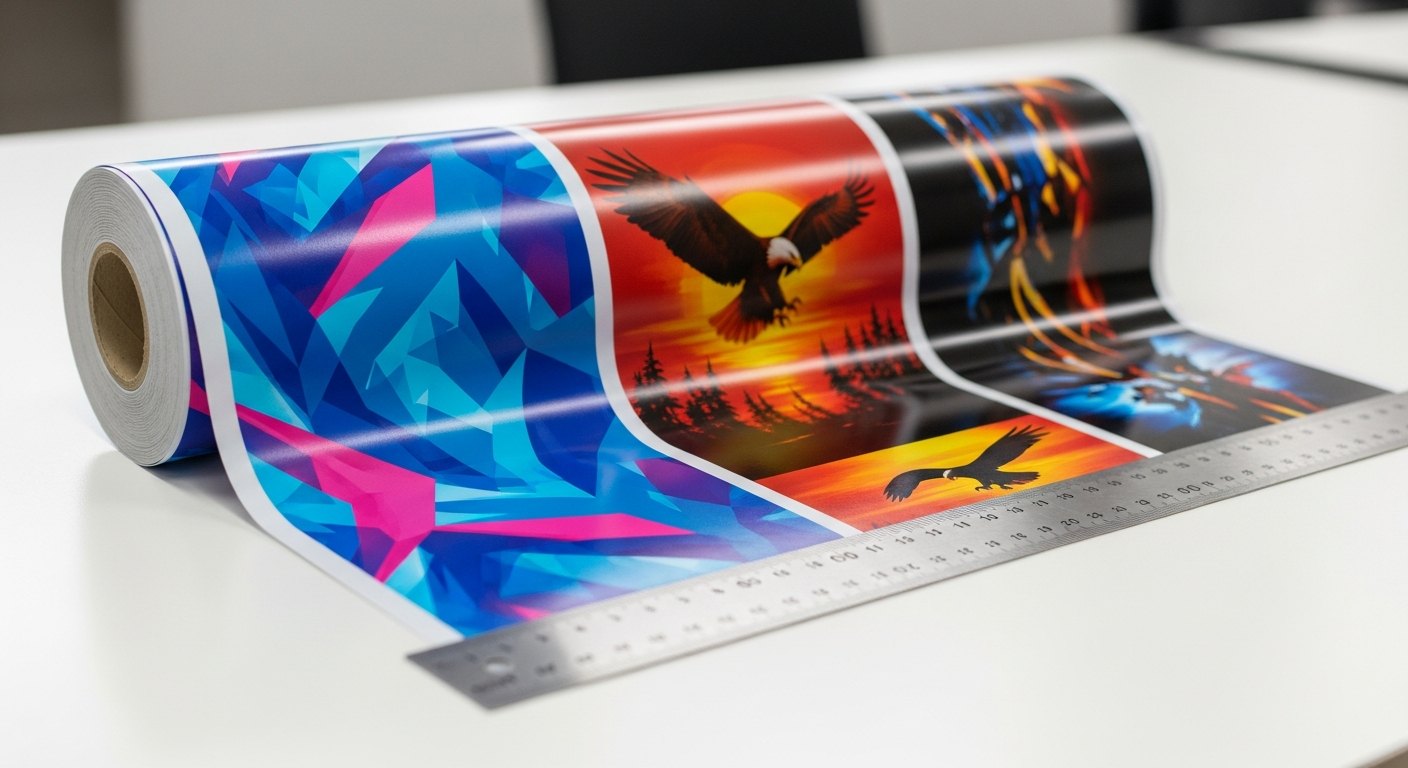
Every gang sheet question eventually comes back to two numbers: width and length. DTF film is a fixed 22 inches wide and a length you choose. Once you understand how those two dimensions work together, sizing a sheet stops being guesswork and becomes simple math you can do before you ever open a builder.
Why 22 inches wide
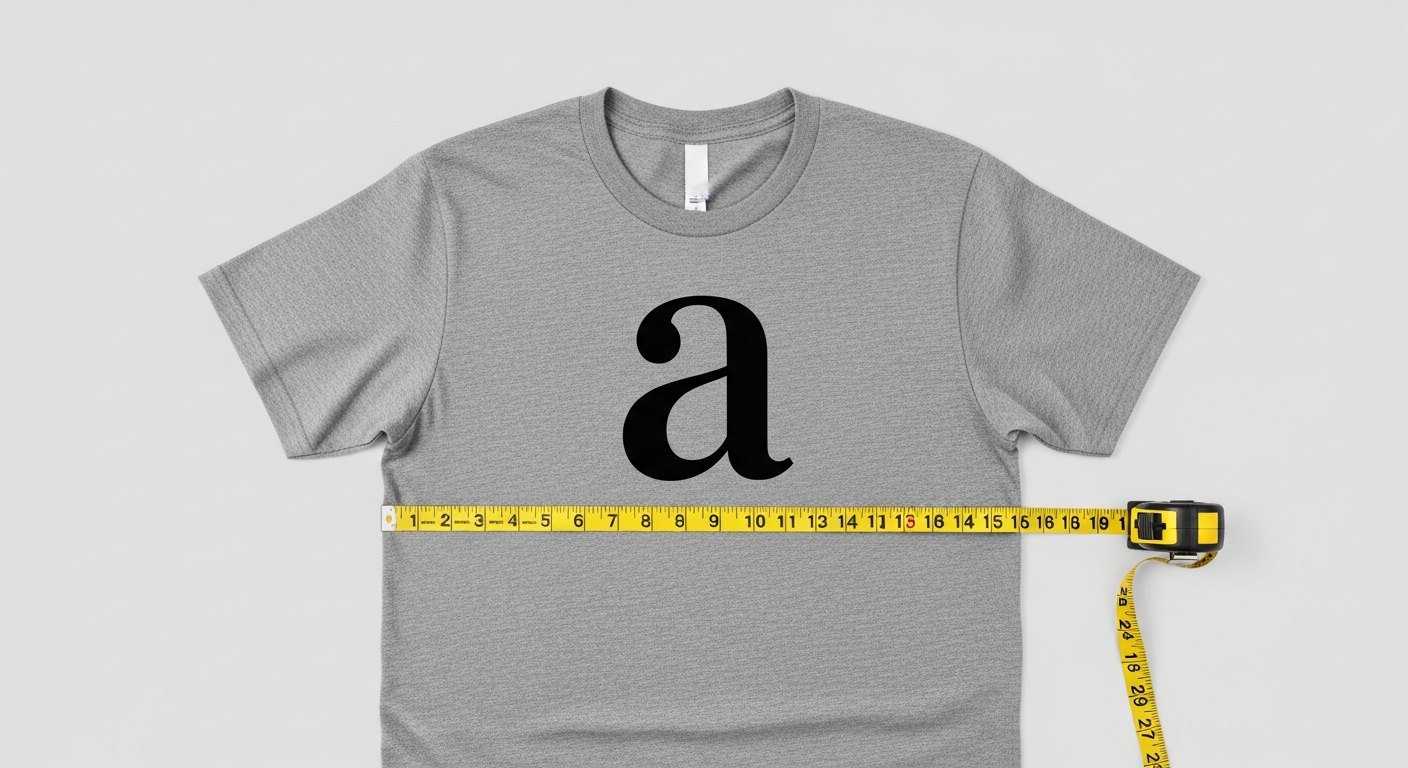
DTF film ships on a standard 22-inch-wide roll, and most printers are built around that roll. That is why nearly every gang sheet you will see is 22 inches wide. It is not a limit you picked, it is the width of the material itself. Your usable print area is slightly less than the full 22 inches because printers leave a small margin at each edge, so plan your widest single design to sit a touch under 22 inches.
Length is the lever you control
Since width is locked, length is where your cost is decided. Common gang sheet lengths run from about 12 inches up to several feet, and you pay in proportion to the length you order. A well-packed sheet needs less length to hold the same art, which is exactly why nesting your designs tightly saves money.
You do not have to guess the length yourself. When you add designs in our builder at /builder, it adds length only as needed to fit your art, then shows the total length and price live. As you pack the sheet tighter, the length shrinks and so does the cost.
How design sizes fit the width
The trick to sizing is thinking in real press dimensions and picturing how they sit across 22 inches. Here is how common prints line up:
- Left-chest logos run about 3 to 4 inches wide, so you can fit five or more side by side across the width.
- Adult front prints run roughly 10 to 12 inches wide, so two can sit next to each other across a 22-inch sheet.
- Full-back prints go up to about 12 inches wide, usually one across with a narrow design beside it.
- Small items like pocket logos, sleeve hits, and name labels fill the gaps between larger pieces.
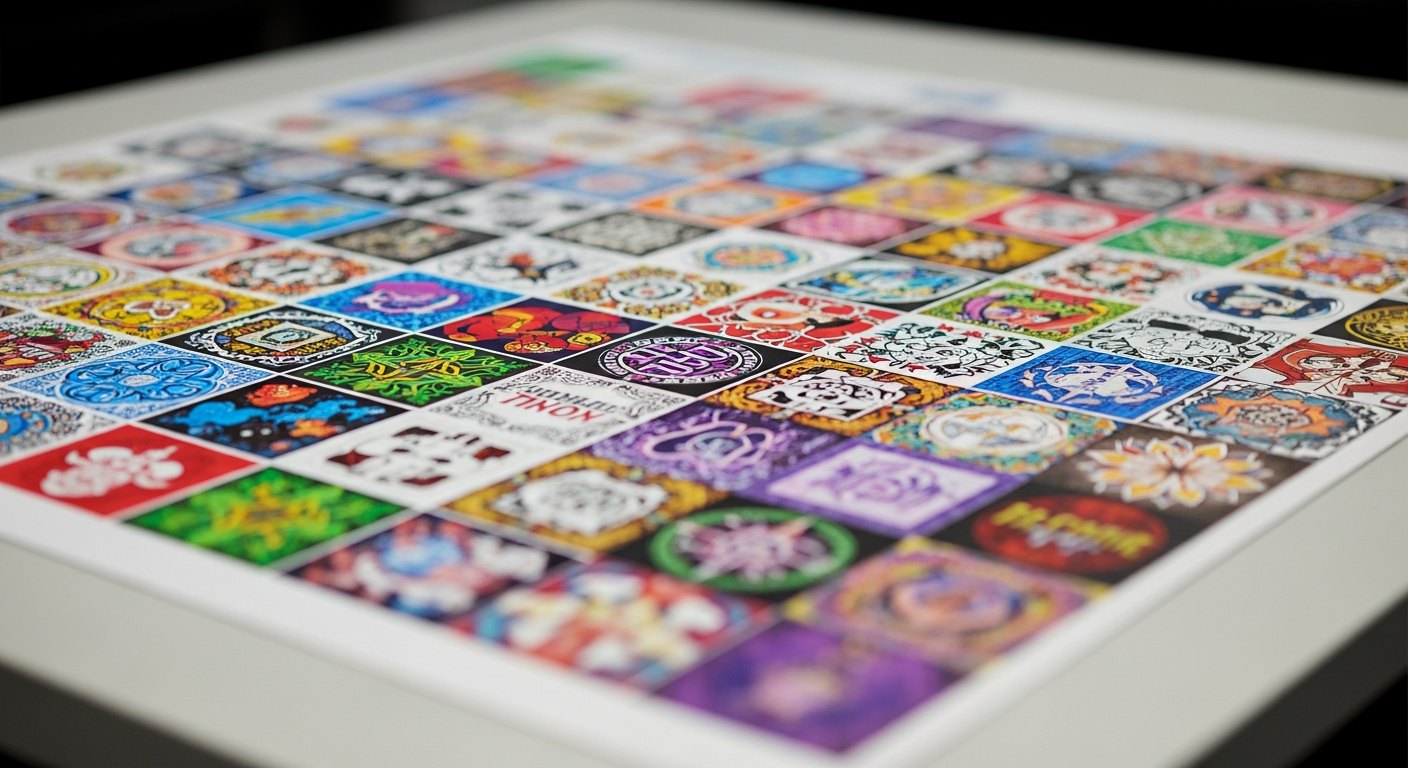
The goal is to mix large and small so the small pieces slot into the space the big ones leave behind. That is how you push more designs into less length.
A quick sizing example
Say you need 10 left-chest logos at 3.5 inches and 4 front prints at 11 inches. The front prints pair up two across, so 4 of them take two rows. The chest logos pack five or six across, so 10 of them take two rows as well. That whole order fits in a fairly short sheet, which is exactly the kind of packing that keeps your cost per design low.
How to pick the right size for your order
You do not need to calculate every row by hand. The reliable approach is to size each design to its true press dimension, add your quantities, and let auto-nesting find the shortest sheet that holds it all.
- List every design and the exact width you want it to press at.
- Note how many of each you need.
- Add them all to the builder and let it nest them across the 22-inch width.
- Read the total length it reports, which is the size you are actually buying.
- Fill any obvious gaps with small extras before you order, since that space is already paid for.
Common gang sheet sizes and what they hold
It helps to picture a few standard lengths and roughly what fits on each, all at the fixed 22-inch width. These are ballpark figures, since the real answer always depends on how big your designs are and how tightly they nest, but they give you a starting sense of scale.
- A short sheet around 12 to 24 inches long suits a handful of designs, such as a few chest logos plus a couple of small extras.
- A medium sheet around 36 to 48 inches long comfortably holds a mixed order of front prints, back prints, and a row of small logos.
- A long sheet of several feet is where bulk runs live, packing dozens of the same design or a large mixed batch for a full order.
Rather than trying to buy a preset size and hope your art fits, the better move is to add all your designs first and let the sheet size itself to the art. That way you never pay for length you did not need or come up short and have to reorder.
How sizing affects your price per design
Because you pay by length, the cost of any single design depends less on the design itself and more on how well it shares the sheet. A logo pressed on a sheet that is 80 percent full costs far less per piece than the same logo on a half-empty sheet. This is why building in real inches and filling the width matters so much: you are not just fitting your art, you are lowering the price of every design on the sheet at the same time. Mixing large and small pieces so nothing goes to waste is the most direct lever you have on cost.
It also means bigger orders naturally cost less per piece than tiny ones, since a long, well-packed sheet spreads the setup across more designs. That does not mean you need a huge order to benefit, because there are no per-design minimums, but it does explain why running your recurring designs together on one sheet beats ordering them in scattered small batches.
The bottom line
A DTF gang sheet is 22 inches wide, full stop, and the length is the number that moves your price. Size your designs in real inches, mix big and small pieces to fill the width, and let nesting set the length. When your sheet is ready to press, our ready-to-press transfers at /transfers ship same day if you order by 2 PM CT, with no minimums.
Frequently asked questions
Auto-nesting, low-res warnings before you pay, shipped same-day from Texas.
Open the builder →