Real guides from a shop that prints DTF every day. Gang sheets, heat-press settings, UV DTF, blanks, and running the business. No fluff.
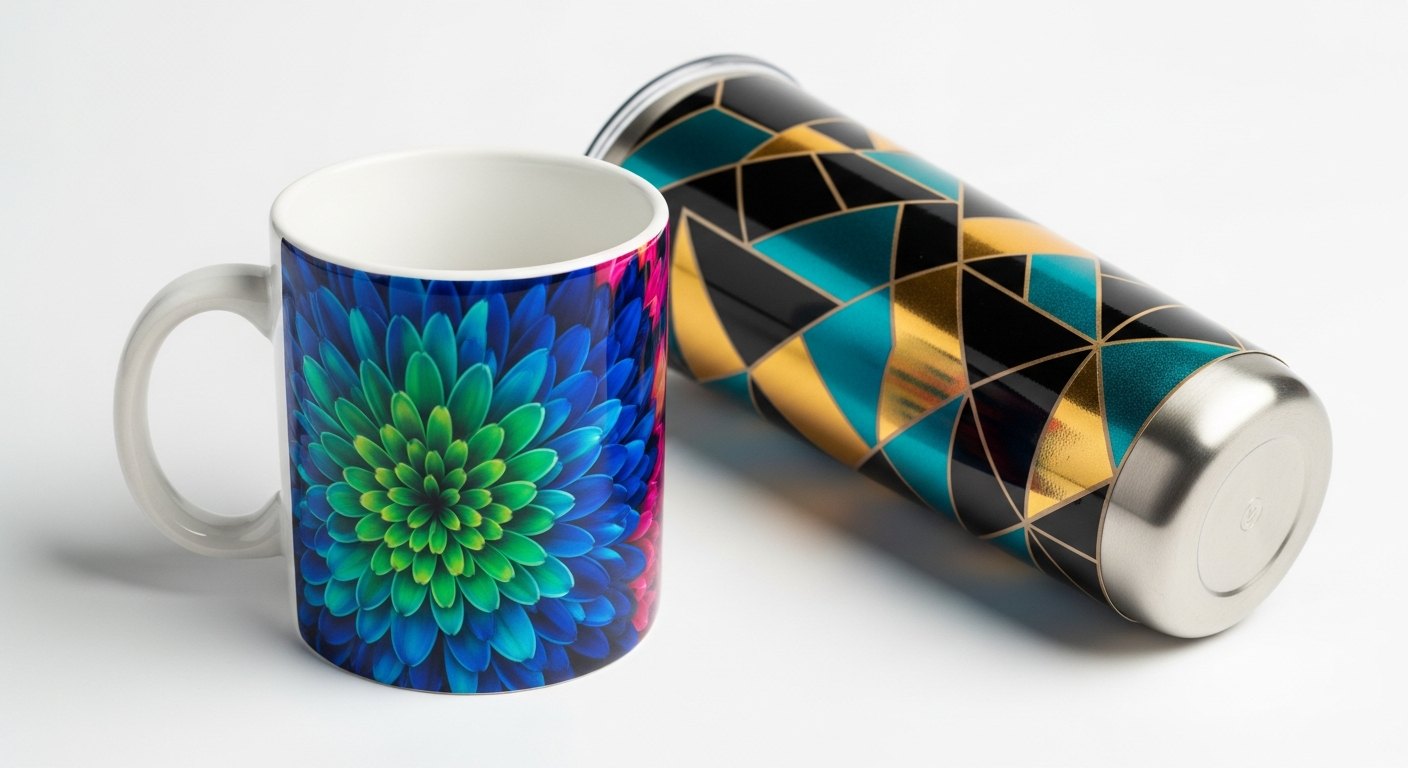
UV DTF is a peel-and-stick transfer for hard surfaces like tumblers, glass, and metal. It needs no heat press, but it is not for shirts.
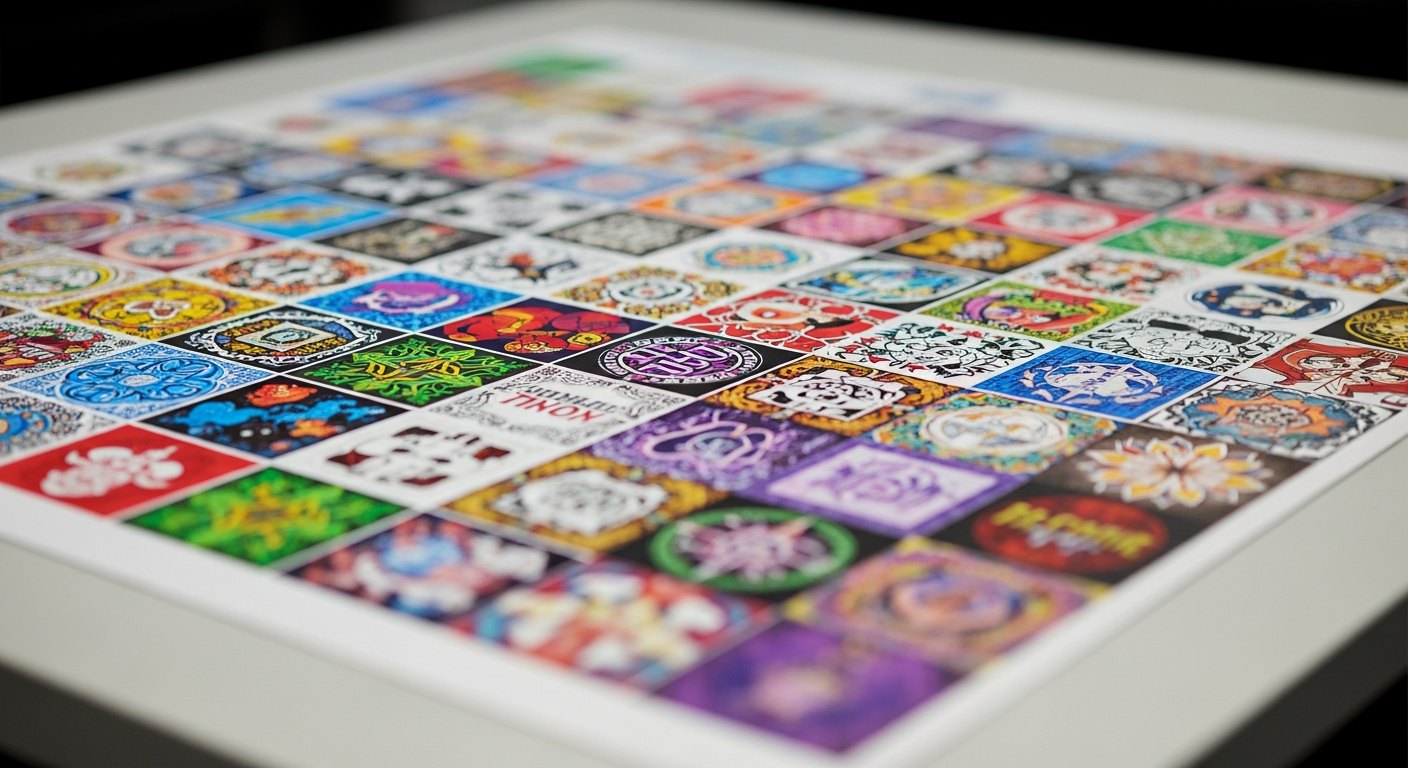
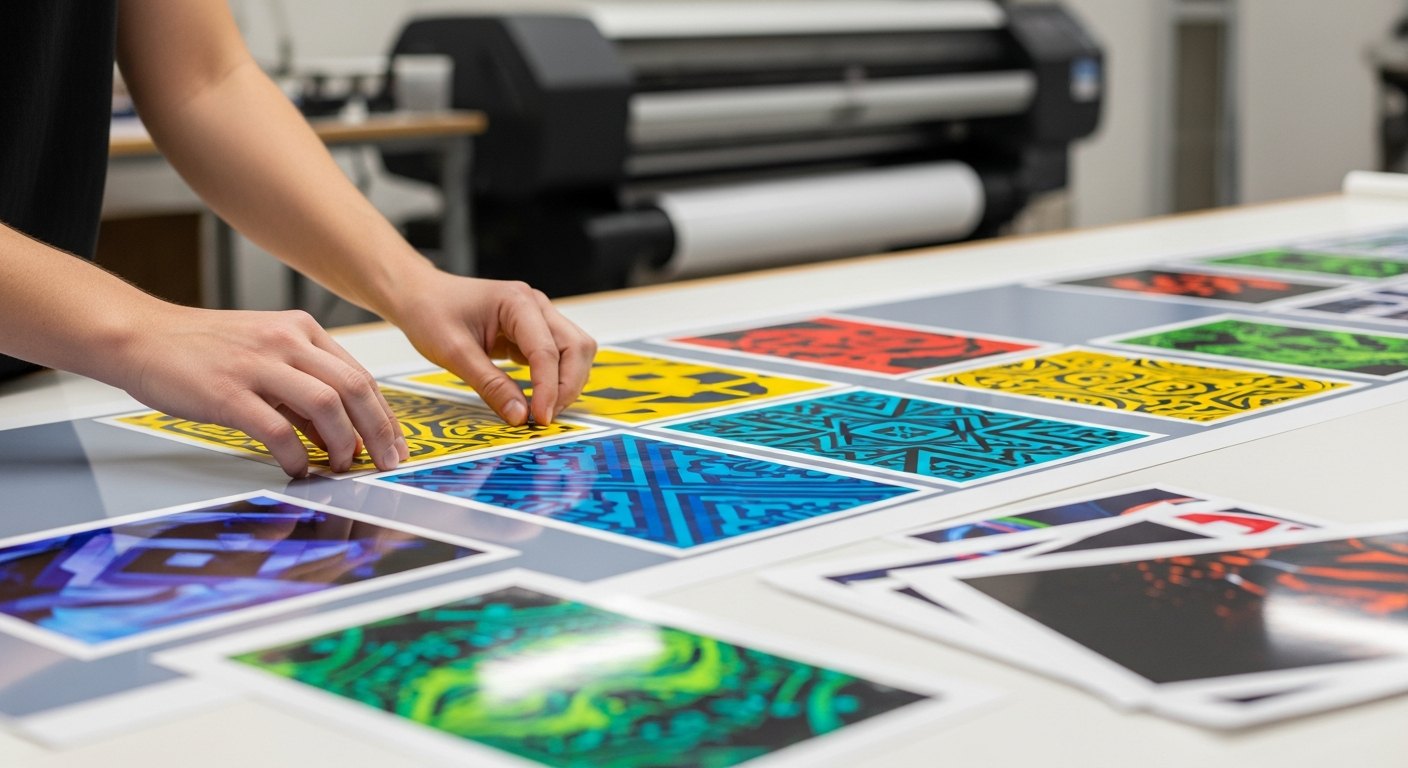
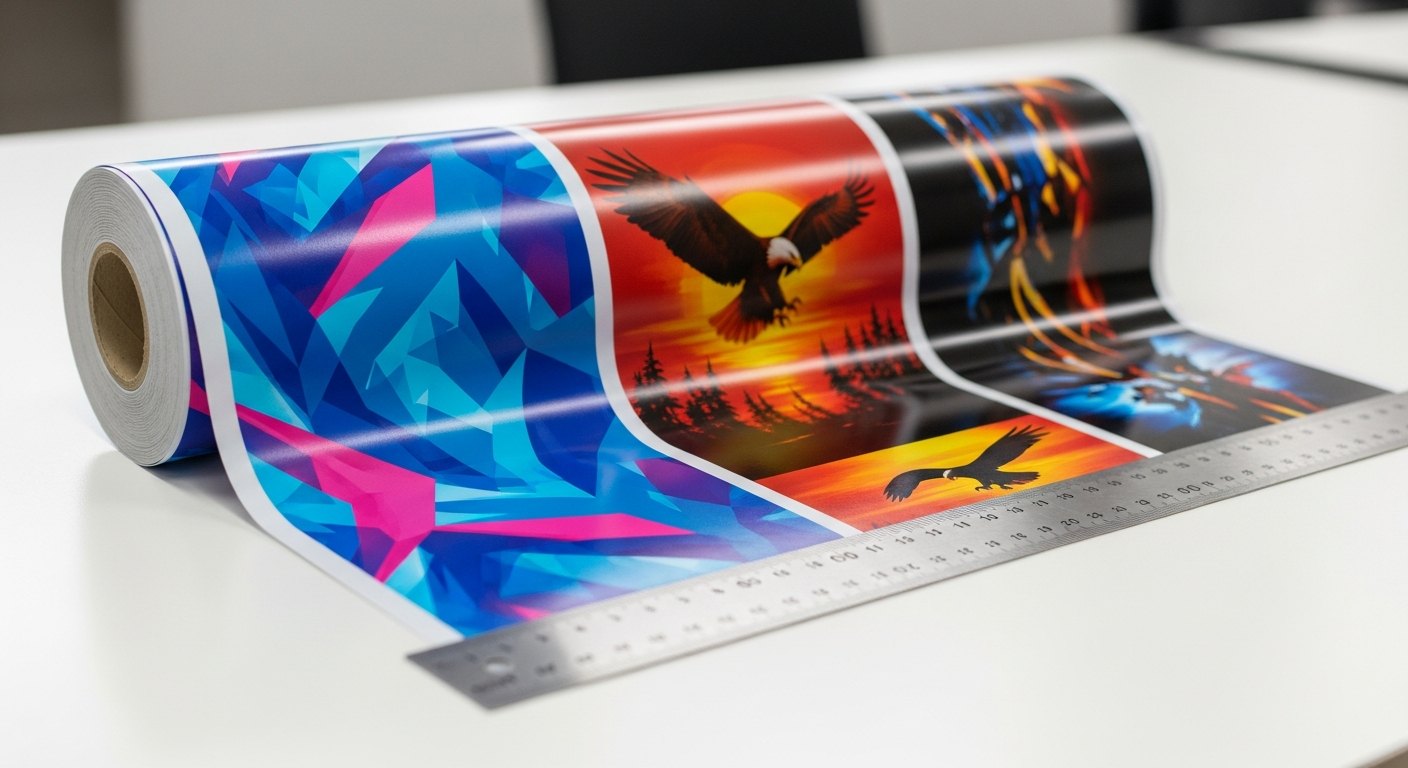
A gang sheet is the single biggest way to cut your DTF cost: fit as many designs as you want onto one sheet and pay for the film you use, not per design.
DTF lets you open an Etsy shirt shop without buying stock up front. List your designs, and press each shirt only after it sells, using ready-to-press transfers or a gang sheet.
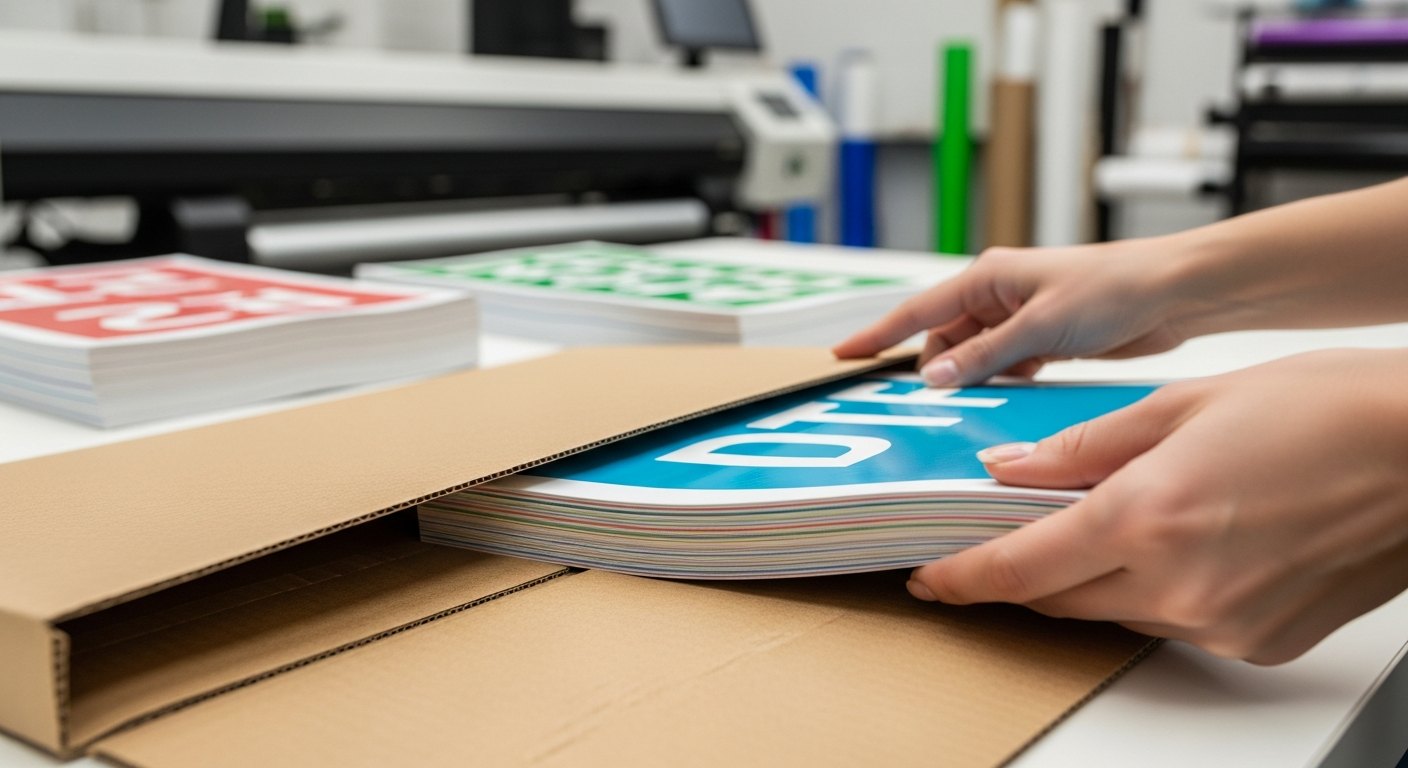
A last-minute order does not have to mean a blown deadline. Here is how same-day DTF works, what the 2 PM cutoff means, and how to hit it reliably.
Buy finished transfers and just press, or run your own DTF printer? The honest answer comes down to volume, maintenance, and how much of your time the printing really costs.
Most small shops price DTF merch by copying a competitor and hoping. Here is the actual math: blank plus transfer plus labor plus margin, with gang sheets protecting the number.
A gang sheet is only cheap when it is full. Here is how to build one that packs tight, prints sharp, and wastes zero film.
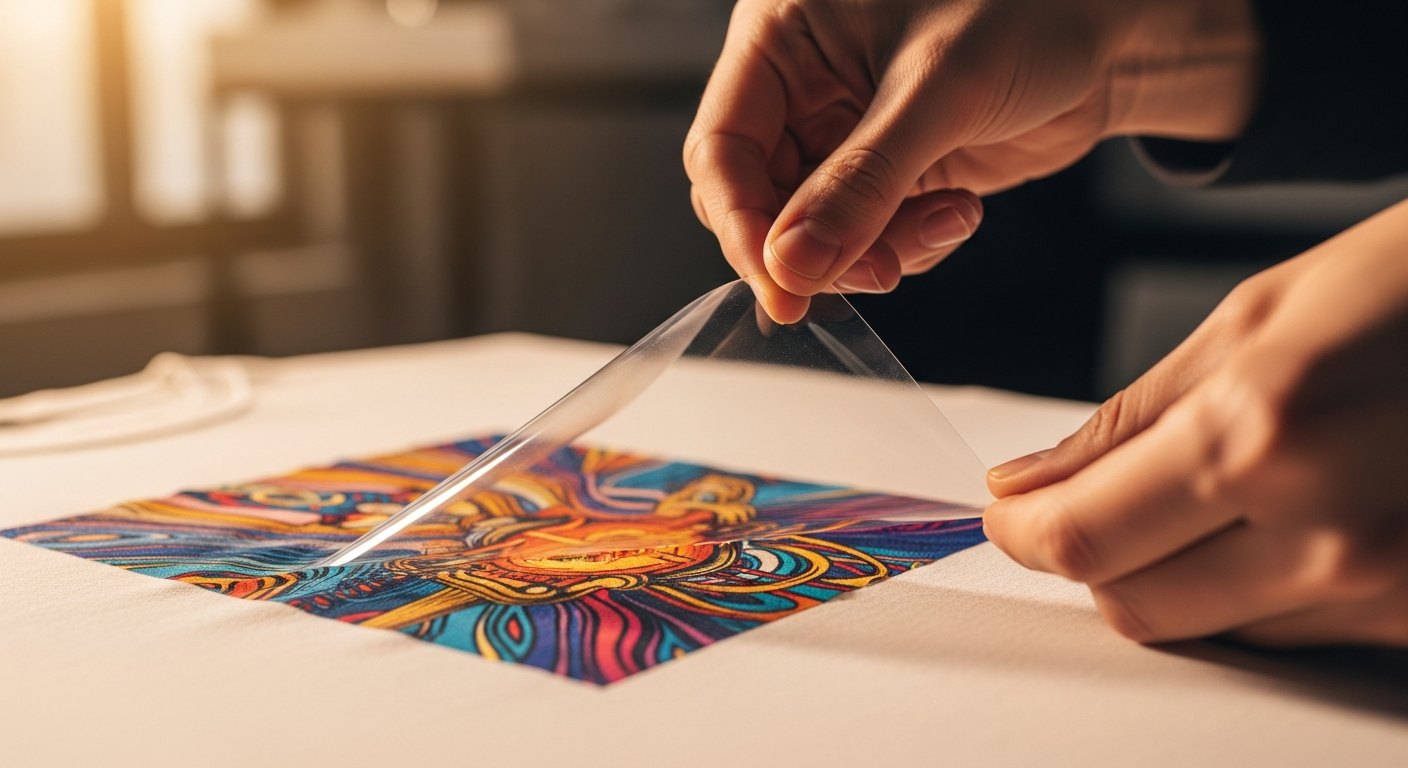
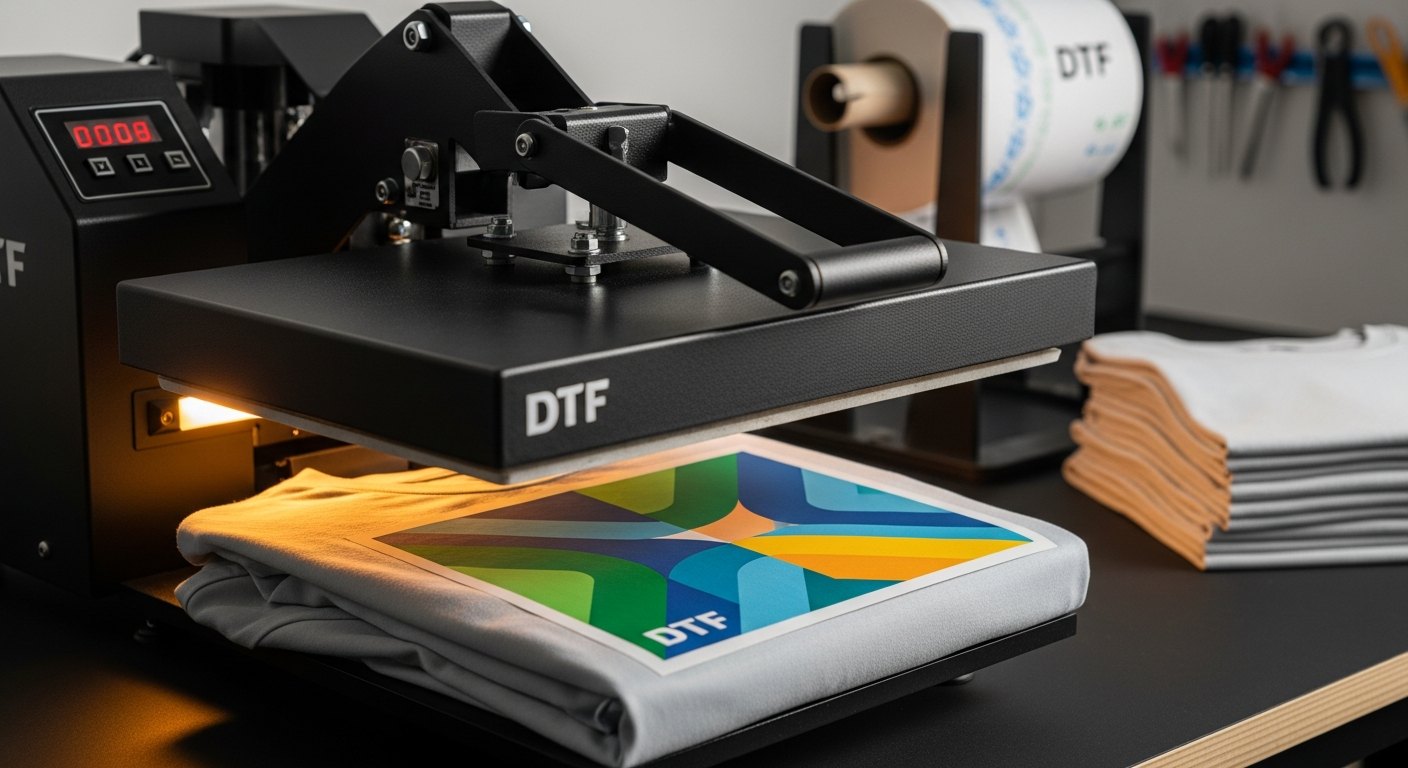
Applying DTF transfers is simple once you know the order: pre-press, position, press, peel, and finish. Here is the full step-by-step.
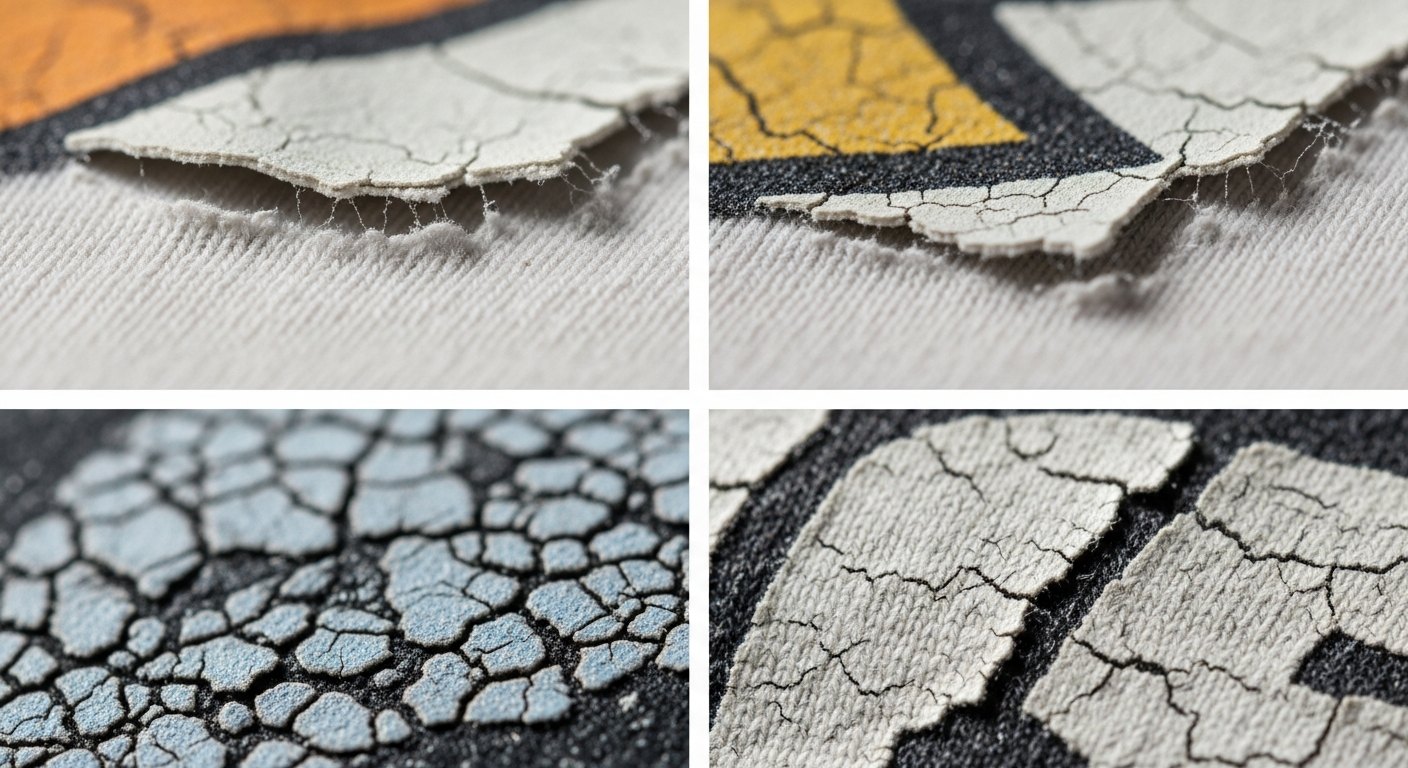
A properly pressed and cared-for DTF transfer lasts 40 to 50 or more washes. Here is what drives that number up or down, and how to land on the high end.
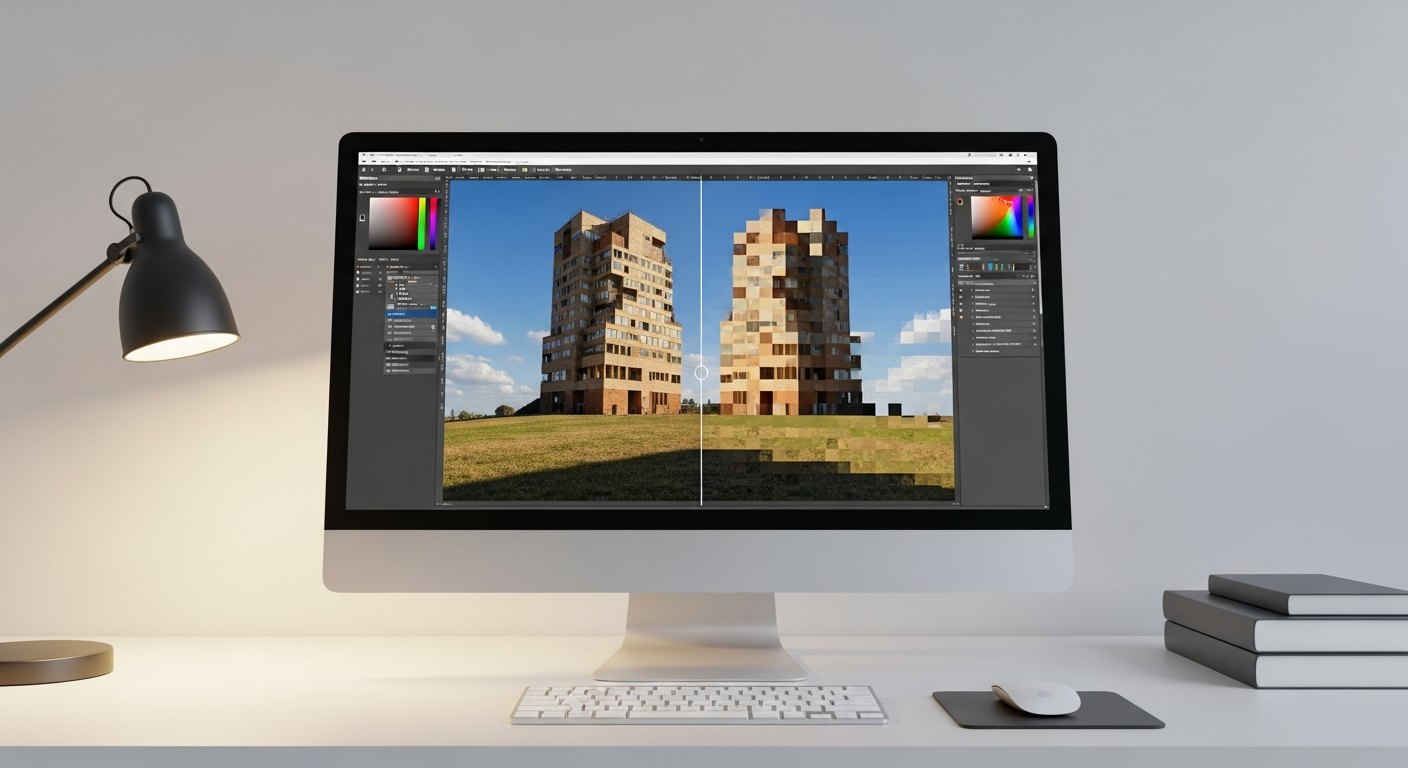
Low-resolution art is the quiet way people waste a DTF sheet. Here is how to spot it, what genuinely fixes it, and why upscaling a tiny file will not.
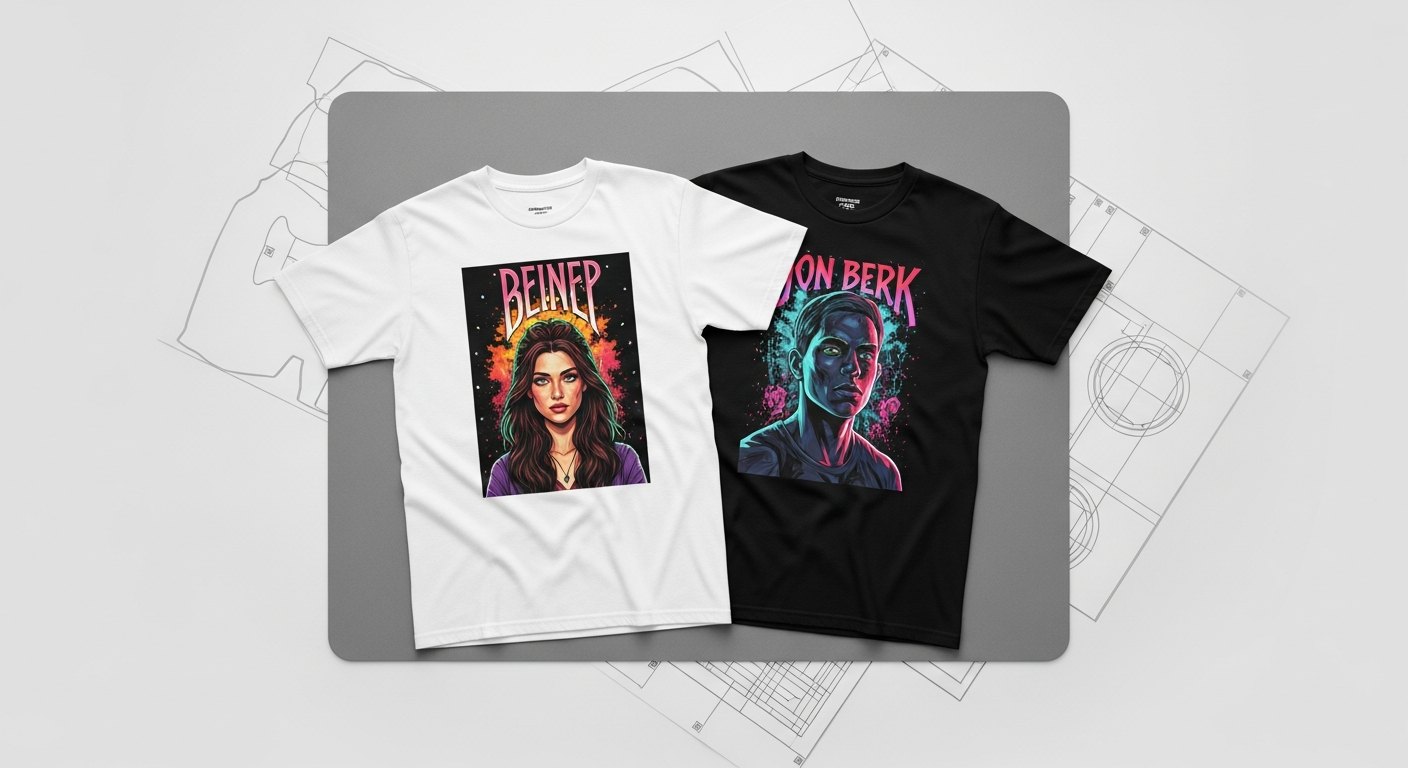
DTF prints on cotton, blends, and dark shirts. Sublimation only works on light polyester. The right choice depends entirely on your blanks.
DTF has no screens and no minimums, so it wins on small and mixed orders. Screen print transfers get cheaper only at high volume of one design.
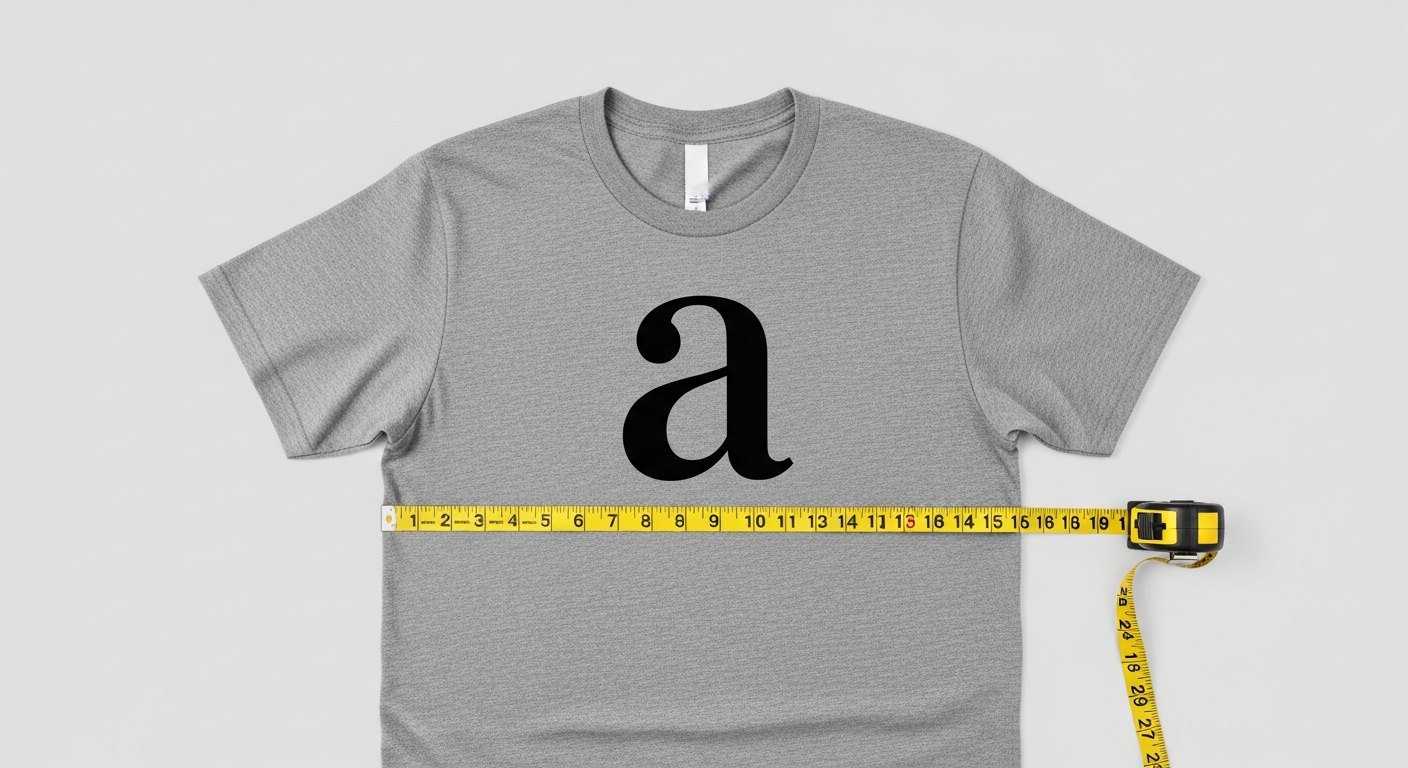
Sizing and placement are where good transfers go wrong. Here are the real measurements for left chest, full front, and youth so your prints land right.
Your press work only holds up if the customer washes the shirt right. Here are the DTF care instructions to give every customer, plus why each rule matters.
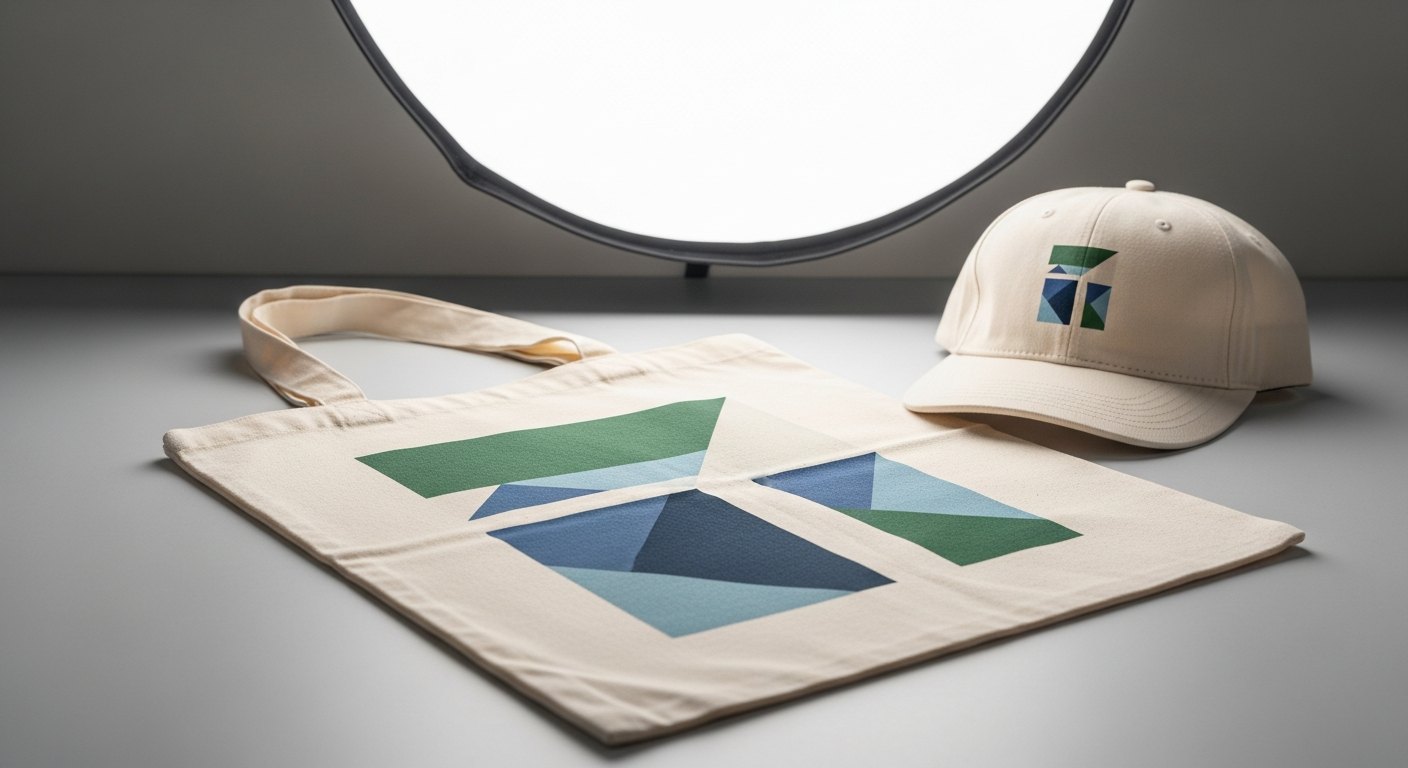
DTF is not just for shirts. Here is exactly what it can decorate, from fabric hats and canvas totes to why hard surfaces need UV DTF instead.
The right DTF press settings change with the fabric. Here is how to adjust temp, time, and pressure for cotton, polyester, blends, and hard-to-press items.
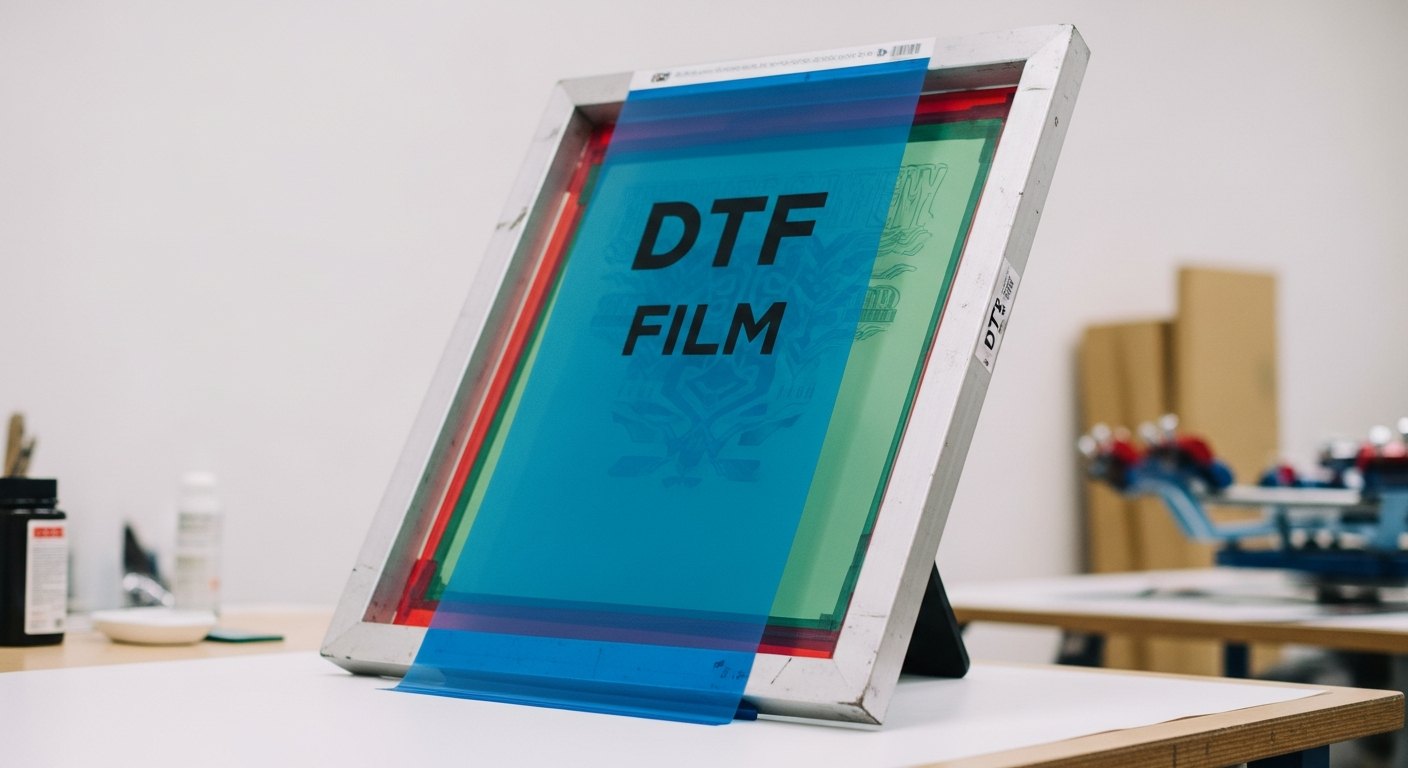
DTF film is 22 inches wide and any length you want. Here is how those two numbers decide how many designs fit and what you pay.
Cold peel means wait for the film to cool before pulling it, hot peel means peel immediately. Each affects speed and finish, and your film sets the rule.
The blank you press onto matters as much as the transfer itself. Here is how to pick shirts that give you sharp, durable DTF prints every time.