Ready-to-Press DTF vs Printing Your Own: Which Wins?
Buy finished transfers and just press, or run your own DTF printer? The honest answer comes down to volume, maintenance, and how much of your time the printing really costs.
Every DTF business hits this fork. You can buy ready-to-press transfers and just heat them onto blanks, or you can buy a DTF printer and make the transfers yourself. Both produce the same kind of durable print, so the choice is not about quality. It is about startup cost, ongoing maintenance, and the volume at which owning a printer actually saves you money instead of tying you to a machine.
What ready-to-press means
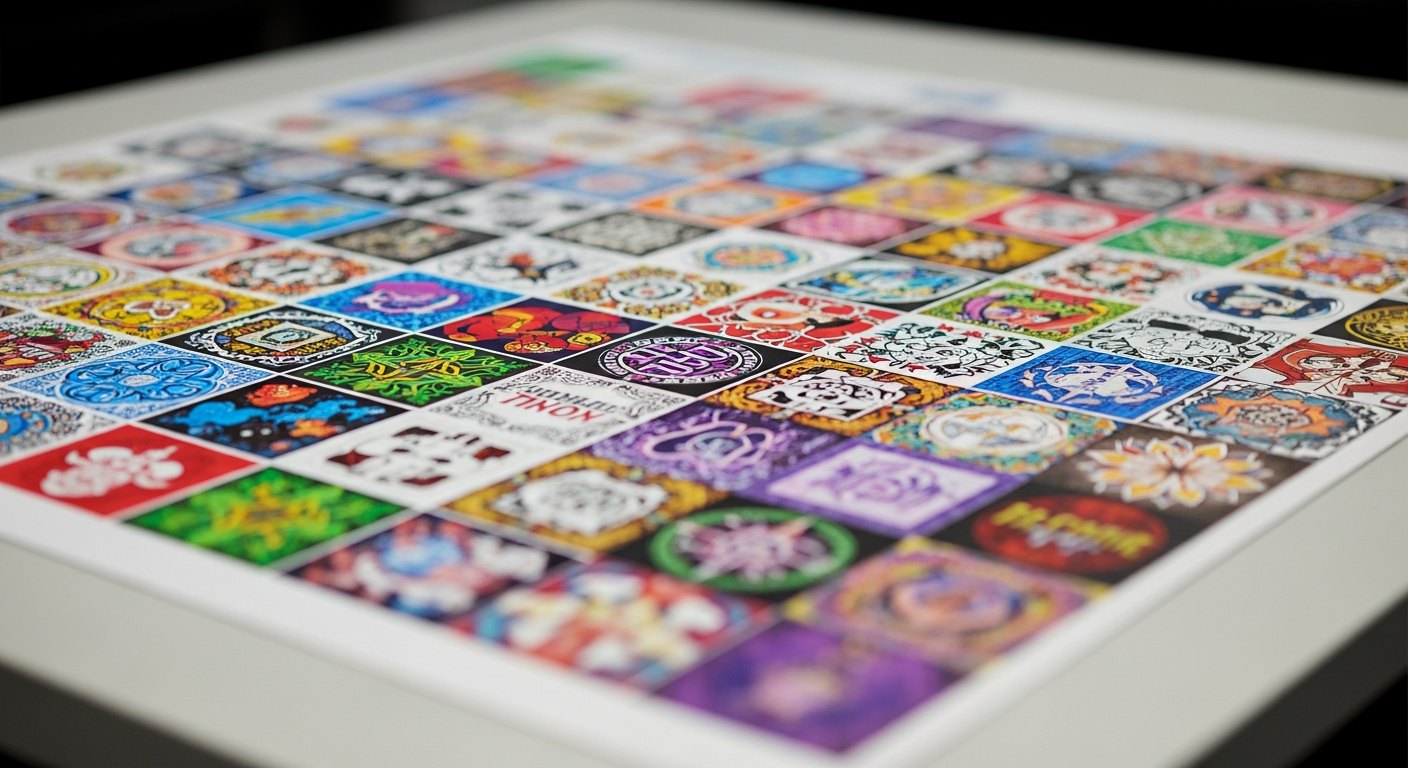
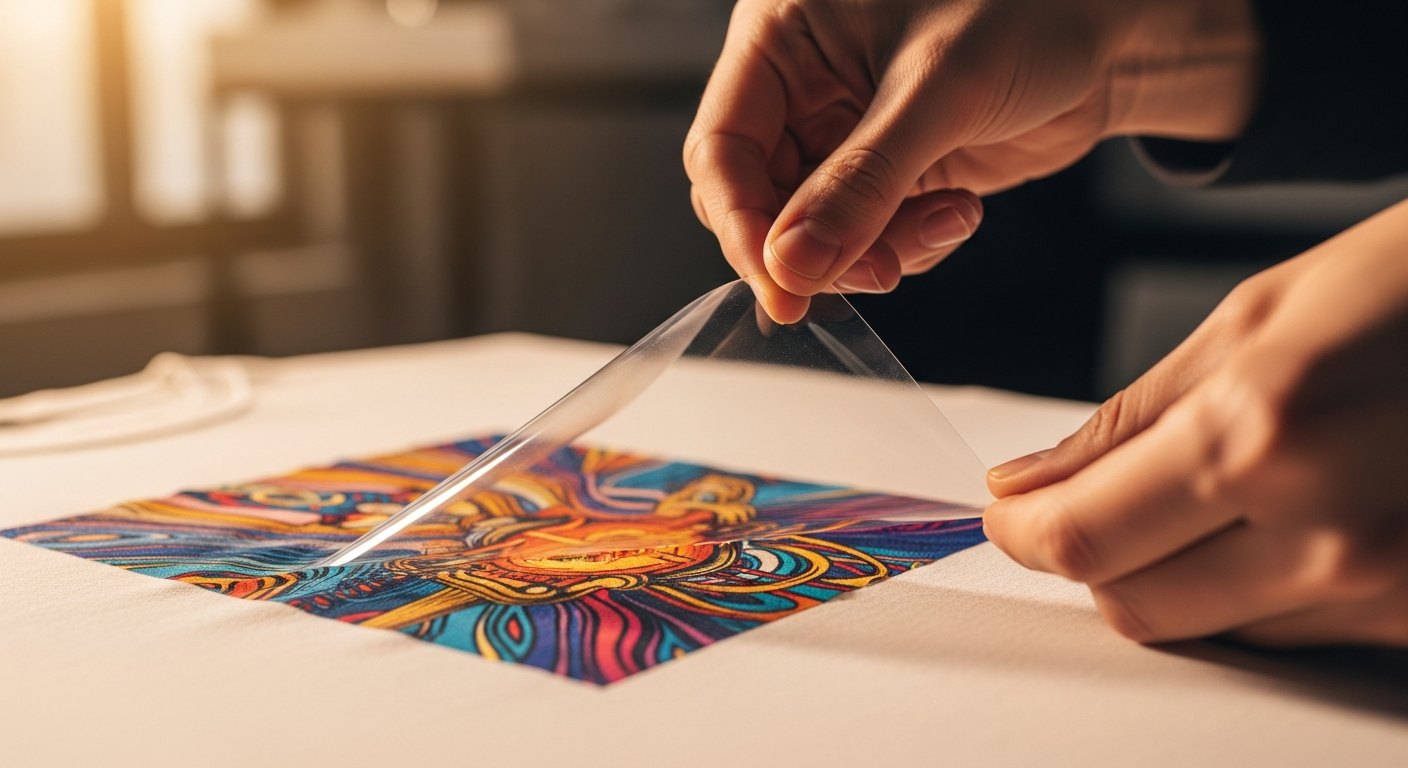
Ready-to-press transfers are finished DTF films you order printed, cured, and powdered, ready to press onto a garment the moment they arrive. You do none of the printing. You upload art, order the transfers from /transfers or build a gang sheet at /builder, and your only job at home is weeding nothing and pressing the design with a heat press. There is no printer, no ink, no powder, and no cleaning cycle in your life.
- Low startup: you need a heat press and blanks, nothing more.
- No maintenance: no printhead cleaning, no ink changes, no ventilation to install.
- No minimums: order one transfer or a full gang sheet, whatever the job needs.
- Predictable cost: you pay a known price per transfer, so pricing your merch is simple.
What printing your own means
Printing your own DTF means buying the machine and running the whole process yourself: a DTF printer, ink, adhesive powder, a curing setup, and the ventilation to handle fumes and powder safely. You also take on the maintenance that keeps a DTF printer alive, which is real and ongoing. Printheads clog if they sit, white ink needs regular circulation, and a neglected machine can cost more in downtime and repairs than it ever saved.
In exchange, you get control and, at volume, a lower cost per transfer. When you are printing large quantities every single day, making transfers in house can beat buying them. But that payoff only arrives at real, consistent volume, and it comes bundled with the time you spend running and maintaining the equipment. That time is a cost even when it does not show up on an invoice.
The real comparison
Line the two up honestly and the trade is clear. Ready-to-press trades a slightly higher per-transfer price for near-zero overhead and no maintenance. Printing your own trades a big upfront investment and daily upkeep for a lower per-transfer cost that only pays back at scale.
- Startup cost: ready-to-press wins. A heat press versus a printer, ink, powder, curing, and ventilation is not close.
- Maintenance: ready-to-press wins. There is nothing to clean or maintain on your end.
- Cost per transfer at low volume: ready-to-press wins, especially when you gang designs onto one sheet.
- Cost per transfer at high daily volume: printing your own can win, once the machine runs enough to earn back its cost and upkeep.
- Time: ready-to-press wins. Your hours go into selling and pressing, not maintaining equipment.
Where the break-even really sits
There is no single magic number, because your break-even depends on your daily volume, your local cost of ink and blanks, and how you value your own time. The mistake most people make is counting only the ink and powder against the transfer price, and ignoring the machine cost, the maintenance hours, the wasted prints while learning, and the downtime when a printhead clogs. Add all of that in and the volume you need to justify a printer is higher than it first looks.
Gang sheets change this math in favor of buying. When you pack many designs onto one sheet at /builder, your per-design transfer cost drops sharply, which pushes the break-even volume for owning a printer even higher. For most small and growing shops, buying ganged ready-to-press transfers stays cheaper and simpler far longer than they expect.
The hidden costs people forget
When shops compare the two paths, they usually weigh the machine price against the transfer price and stop there. The costs that actually sink home printers live below that line. Learning to print clean DTF wastes film and ink for weeks. White ink settles and clogs if the printer sits idle, so an irregular schedule punishes you. Powder and curing add mess and a ventilation requirement to your space. And every hour spent cleaning heads or troubleshooting a bad print is an hour you did not spend selling.
Ready-to-press carries none of that. The transfer arrives correct, and if it is not, a reprint guarantee covers it. Your workflow stays down to pressing and shipping, which is the part of the business that actually makes money. That simplicity is worth real dollars, even though it never appears as a line item, because it keeps your attention on customers instead of maintenance.
Which should you choose?
If you are starting out, running an Etsy shop, taking custom orders, or printing small to medium runs, ready-to-press wins on almost every axis that matters early: lower risk, no maintenance, and predictable costs you can price around. Order what each job needs, gang your repeat designs, and put your energy into selling. Same-day shipping from Texas by 2 PM CT and a reprint guarantee mean you can move fast without owning a machine.
Consider your own printer only when consistent daily volume is high enough that the lower per-transfer cost clearly beats your ganged buying price after you count the machine, the upkeep, and your time. Plenty of successful shops never cross that line, and that is not a compromise. It is the smart use of DTF's no-minimum, no-screen flexibility.
The bottom line
Ready-to-press wins for low startup, zero maintenance, and simple pricing, which covers most sellers most of the time. Printing your own wins only at real, sustained daily volume, and only after you honestly count the machine, the maintenance, and your hours. Start with ready-to-press, gang your repeat orders to keep costs low, and switch to owning a printer only when the full math, not just the ink, says it is time.
Frequently asked questions
Auto-nesting, low-res warnings before you pay, shipped same-day from Texas.
Open the builder →