Same-Day DTF Transfers: How Rush Orders Actually Work
A last-minute order does not have to mean a blown deadline. Here is how same-day DTF works, what the 2 PM cutoff means, and how to hit it reliably.
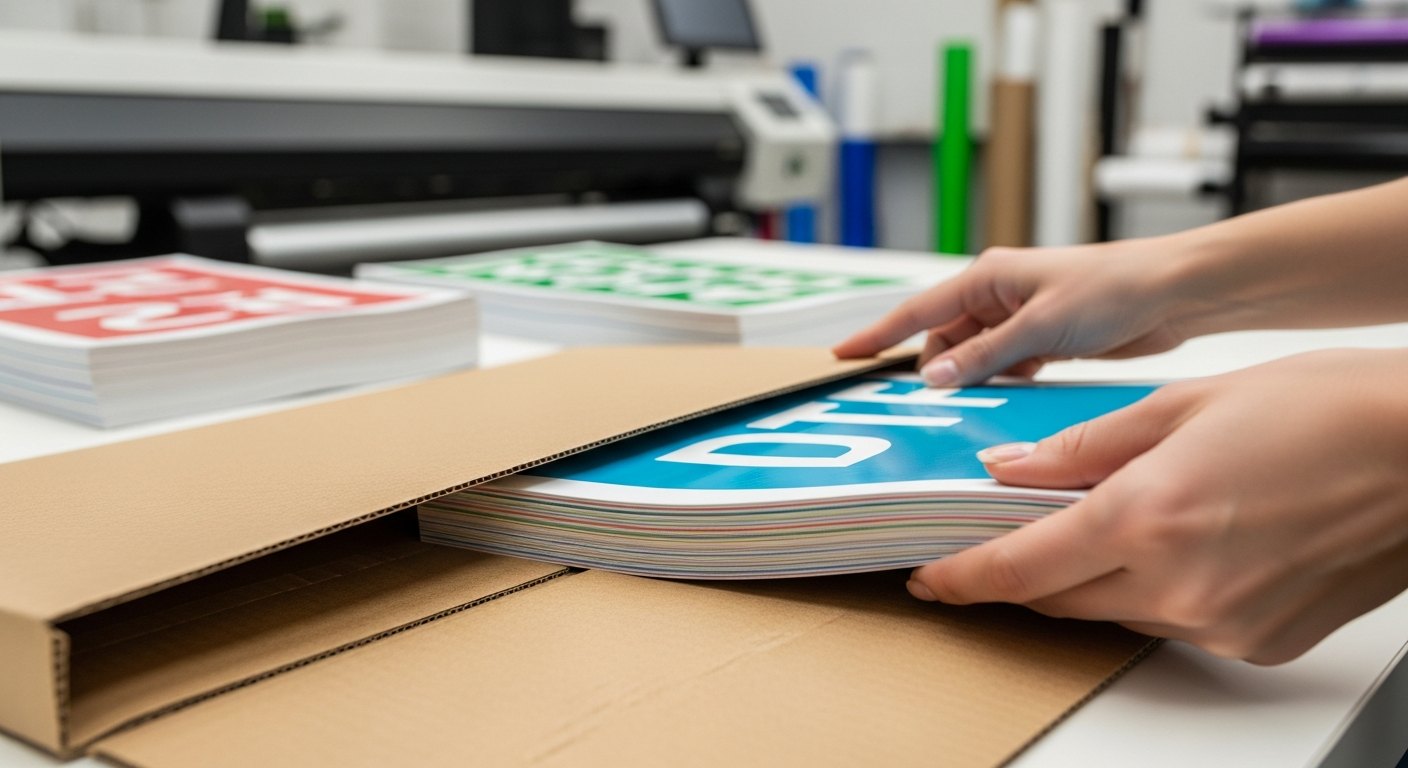
Nothing tests a merch business like a last-minute order. A customer needs shirts for an event this weekend, a team changed the design, or a wholesale reorder came in with no lead time. Same-day DTF transfers exist for exactly these moments. The idea is simple: order early enough in the day and your transfers print and ship the same day instead of sitting in a queue. But same-day only works if you understand the cutoff and set yourself up to hit it.
What same-day actually means
Same-day does not mean the transfer teleports to your door. It means the printing and shipping happen on the same business day you order, so the clock on delivery starts immediately instead of a day or two later. The trigger is a cutoff time. Order by 2 PM CT and your transfers ship that same day from Texas. Order after that and they ship the next business day.
Because the facility ships from Texas, a central location, transit times to most of the country are reasonable once the package is moving. Same-day handling plus a central origin is what makes a genuinely tight turnaround possible.
The 2 PM CT cutoff, in your time zone
The single most common way people miss same-day is a time-zone mistake. The cutoff is 2 PM Central Time. Translate it once and write it down so you never have to think about it under pressure.
- Eastern: order by 3 PM ET.
- Central: order by 2 PM CT.
- Mountain: order by 1 PM MT.
- Pacific: order by 12 PM PT.
If you are on the West Coast, noon comes up fast, so build your art in the morning. The cutoff applies to when your order is placed and paid, not when you start designing, so give yourself a buffer.
What can slow a rush order down
Same-day handling is on the print side. The things that actually blow deadlines are almost always on the customer side, and every one of them is avoidable.
- Low-resolution art: a file too small to print sharp has to be flagged and fixed, which burns your window. Upload print-ready art.
- An unfilled or messy gang sheet: sort your layout before the cutoff, not after.
- Placing the order at 1:55 with unresolved file issues: leave margin for a re-upload.
- Wrong product for the job: confirm you are ordering garment transfers or UV DTF as the surface requires before you check out.
The builder helps here. When you lay out a sheet at /builder it flags any file that is too low-resolution to print sharp before you pay, so you catch the one problem that most often delays a rush order while there is still time to fix it.
How to hit same-day every time
Reliable rush orders are a habit, not luck. A few small routines make the cutoff a non-event.
- Keep print-ready art on hand: high-resolution PNGs with transparent backgrounds, sized to their finished print width.
- Know your local cutoff by heart and set a personal deadline 30 to 60 minutes earlier.
- Build the gang sheet the moment the order lands rather than batching it for later.
- Do a quick resolution check in the builder and clear any flags before you pay.
- Order ready-to-press pieces from /transfers when you need a single stock design fast and want to skip layout entirely.
The reprint guarantee is your backstop. If something is wrong with the print itself, it gets remade, so a rush order does not put you on the hook for a defect that is not yours. That safety net is worth knowing about when you are moving fast.
Gang sheet or ready-to-press for a rush?
Both paths can make the same-day cutoff, and the right one depends on what you already have. A gang sheet is best when you have your own art and want to pack several designs or many copies onto one sheet at the lowest cost per piece. It takes a few minutes to lay out, so start it the moment the order lands and clear any file flags before the clock runs down. Ready-to-press transfers are best when you need a single stock design fast and want to skip layout entirely; you pick the size and check out. For a genuine last-minute crunch where every minute counts, ready-to-press removes a step, while a gang sheet wins when the savings on a larger order matter more than shaving off a couple of minutes.
Whichever you choose, the deciding factor for hitting same-day is never the print side. It is how ready your files and layout are when you sit down to order. A designer who keeps a folder of print-ready art can place either kind of order in minutes and clear the cutoff with room to spare.
When to use same-day and when to plan ahead
Same-day is built for the genuine crunch: an event this weekend, a reorder with no lead time, a design change at the last minute. Lean on it when you need it. But when you can see an order coming, ordering a day or two early costs you nothing and removes all the pressure of racing a cutoff. Use same-day as the tool that saves the deadline, not as your default operating speed. With no minimums, you can order exactly what a rush job needs and nothing more.
Handled right, a same-day order is calm, not chaotic. Keep your art ready, respect the 2 PM CT cutoff in your own time zone, clear your file flags before you pay, and your transfers ship the same day from Texas. The deadline that felt impossible this morning ships this afternoon. Build the habit once and last-minute orders stop being emergencies and start being just another order you turn around fast, which is exactly the reputation that wins repeat customers.
Frequently asked questions
Auto-nesting, low-res warnings before you pay, shipped same-day from Texas.
Open the builder →