Best Blank Shirts for DTF Transfers
The blank you press onto matters as much as the transfer itself. Here is how to pick shirts that give you sharp, durable DTF prints every time.
DTF is one of the most forgiving printing methods out there. It works on cotton, polyester, blends, and both light and dark garments, which is exactly why people love it. But that flexibility can trick you into thinking any blank will do. It will not. The shirt you press onto controls how sharp the print lands, how soft it feels, and whether it still looks good after twenty washes. Pick the right blank and DTF looks like it was made for the garment. Pick the wrong one and even a perfect transfer disappoints.
What makes a blank good for DTF
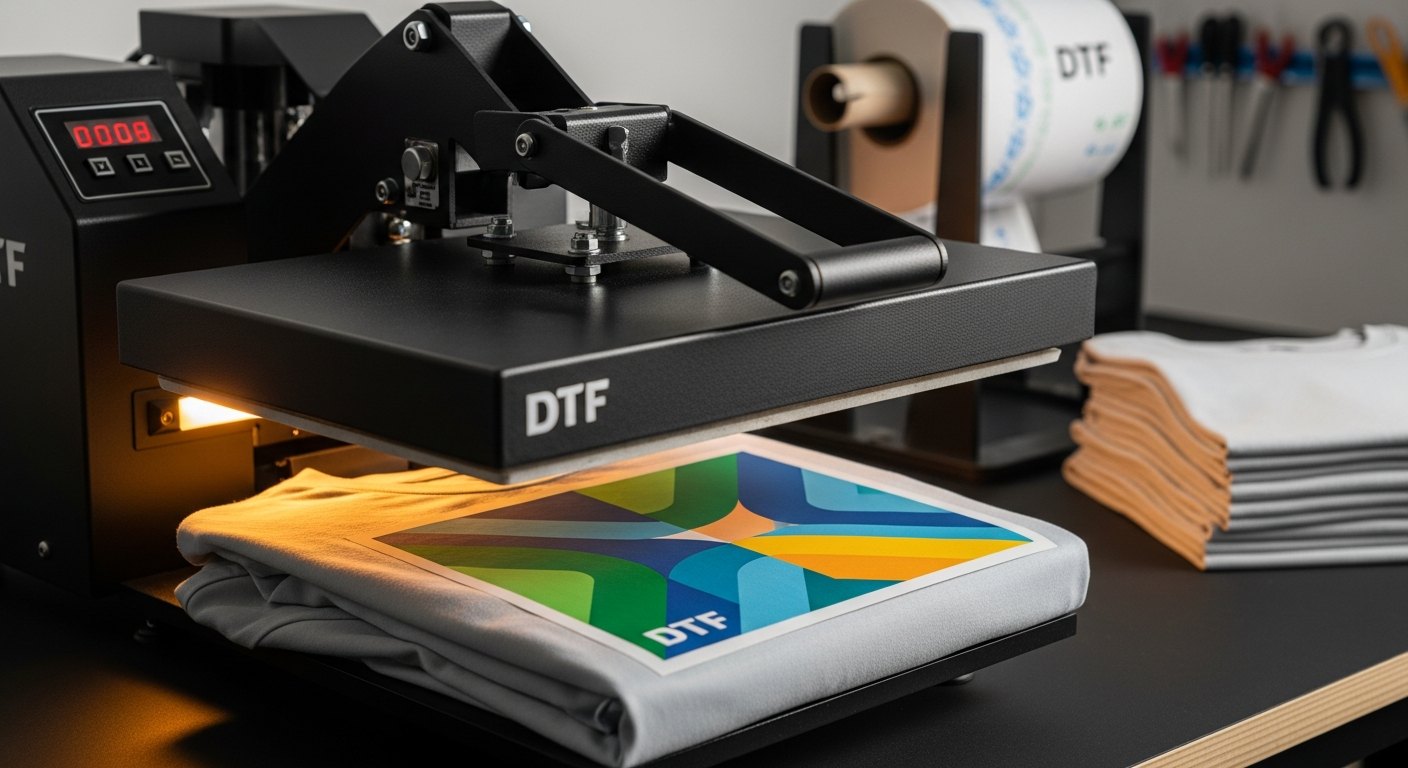
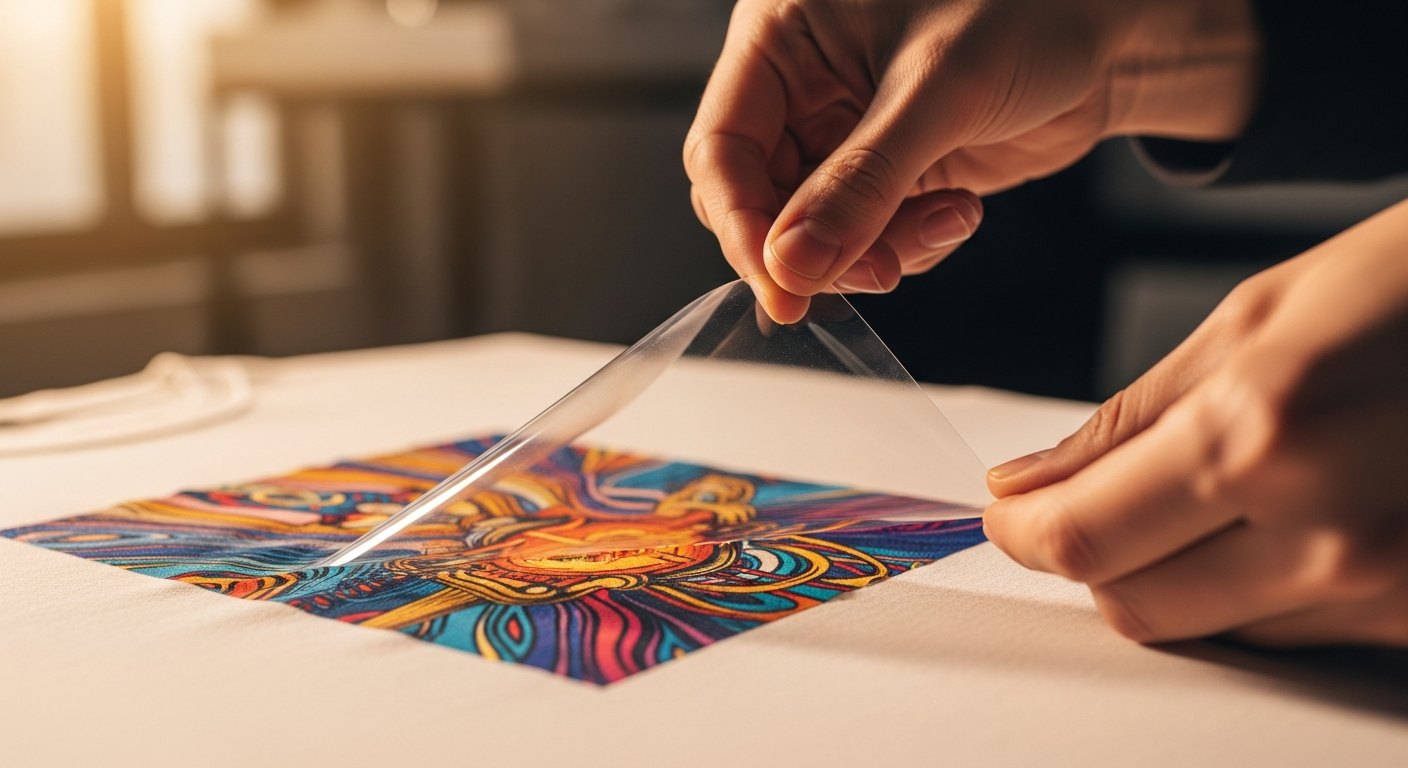
DTF bonds to fabric with heat and pressure, so the surface you press onto needs to be smooth, stable, and able to take that heat without scorching. Three things decide whether a blank cooperates: the fabric content, the weight, and how tight the knit is. A dense, smooth, ring-spun cotton tee is close to ideal because the flat surface lets the transfer lay down evenly with no texture fighting the ink.
- Smooth face: a flat, tight knit gives the transfer full contact so fine detail and small text stay crisp.
- Stable fabric: cotton and quality blends handle press heat around 300 to 320°F without scorching or shrinking oddly.
- Even color: a consistent dye job means the white ink underbase reads true and colors pop the same across the whole run.
The best fabric types, ranked
There is no single winner for every job, but there is a clear order of how easy each fabric is to work with.
Ring-spun cotton (the safe default)
100% ring-spun cotton is the blank most shops reach for first. The yarn is combed and twisted smooth, so the surface is flat and the print lands sharp with almost no fuss. It takes standard press settings well and washes durably. If you are not sure what to buy, buy this.
50/50 and cotton-poly blends
Blends press beautifully and resist wrinkles and shrinkage better than pure cotton. The one thing to watch is heat: polyester is more sensitive, so press a touch cooler and check the film's recommended settings rather than blasting it. Done right, a blend gives you a soft hand and a print that lasts.
Tri-blends (softest, a little fussier)
Tri-blends of cotton, poly, and rayon feel amazing and drape well, which is why so many retail-style tees use them. They can be slightly more sensitive to heat and their heathered texture can soften very fine detail, so lower your temp a bit and test first. For most designs they look fantastic.
100% polyester (works, needs care)
Polyester performance tees are common for teams and athletics, and DTF works on them. Because poly scorches and can show press marks more easily, drop your temperature, use a cover sheet, and test a scrap. Once dialed in, DTF on poly is durable and stretches with the garment.
Light vs dark shirts
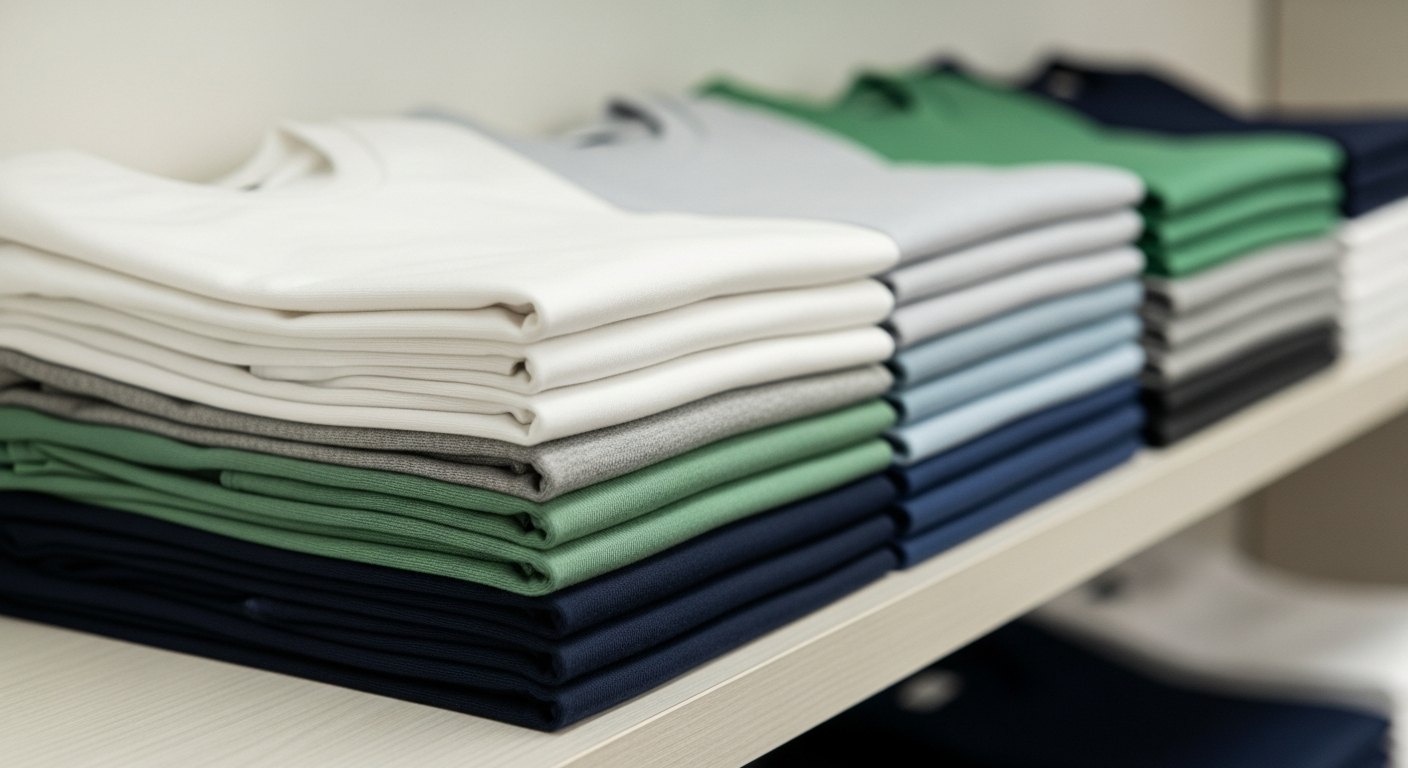
A lot of first-timers assume DTF only works on white or light shirts. It does not. DTF lays down a white ink underbase beneath your colors, which means the same transfer that looks great on a white tee also looks great on black, navy, or any dark garment. Your art keeps its true colors instead of going dull the way some methods do on dark fabric. When you build your sheet at /builder, the design you upload prints the same regardless of the shirt color you plan to press it onto.
Shirt weight and fit
Weight is about feel and durability. Lightweight fashion tees around 4 ounces feel soft and modern but are thinner, so use even pressure and do not over-press. Midweight shirts around 5 to 6 ounces are the workhorse: enough body to press confidently, comfortable to wear, and forgiving of small technique errors. Heavyweight blanks give a premium feel and take heat well, though they cost more per unit. Match the weight to what your customer expects, not just to price.
Blanks and surfaces to be careful with
A few materials fight DTF and are worth a warning:
- Heavy waterproof or coated nylon: the coating can block adhesion and does not like heat.
- Deeply textured or waffle knits: the raised texture lifts the transfer away from the fabric and softens detail.
- Anything with a heat-sensitive finish, like some performance-treated or water-repellent fabrics: test before you commit a run.
None of these are automatic no-gos, but each one deserves a test press before you trust a real order to it. If a blank shrinks, scorches, or the transfer lifts at a corner during your test, adjust temp and dwell or switch blanks.
Color, dye, and washfastness
The blank's dye quality quietly decides how your print looks after a few months. Cheap garment-dyed shirts can bleed or shift color in the wash, and on some fabrics the shirt's own dye can migrate up into a light-colored print over time, a problem called dye migration that shows up most on polyester reds and hot colors. Reactive-dyed cotton and quality blends resist this. If you are pressing light or white ink onto a bright polyester, test wash a sample before you trust a big run, and lean toward blanks with a reputation for holding color. A durable print on a shirt that fades in a month is still a disappointed customer.
Prewashing is a small habit worth mentioning to customers who print on their own blanks. A single wash before pressing removes sizing chemicals and lets any first-wash shrinkage happen before the transfer is applied, so the print never wrinkles or distorts later. It is optional, but for premium orders it is the kind of detail that separates a hobby result from a professional one.
The practical shopping checklist
You do not need a spreadsheet to buy good blanks. When you are standing in front of options, ask a short list of questions and you will land on the right shirt almost every time.
- Is the face smooth and tight, or textured and loose? Smooth wins.
- Is it ring-spun cotton or a quality blend? Both press well; ring-spun is the easiest.
- Is the weight right for the customer, around 5 to 6 ounces for most jobs?
- Do I have one to test press before committing the batch?
Get the blank right and the rest of DTF gets easy. Order your ready-to-press transfers or build a gang sheet, press a test, then run the batch with confidence. The transfer does its job; a good shirt lets it.
Frequently asked questions
Auto-nesting, low-res warnings before you pay, shipped same-day from Texas.
Open the builder →