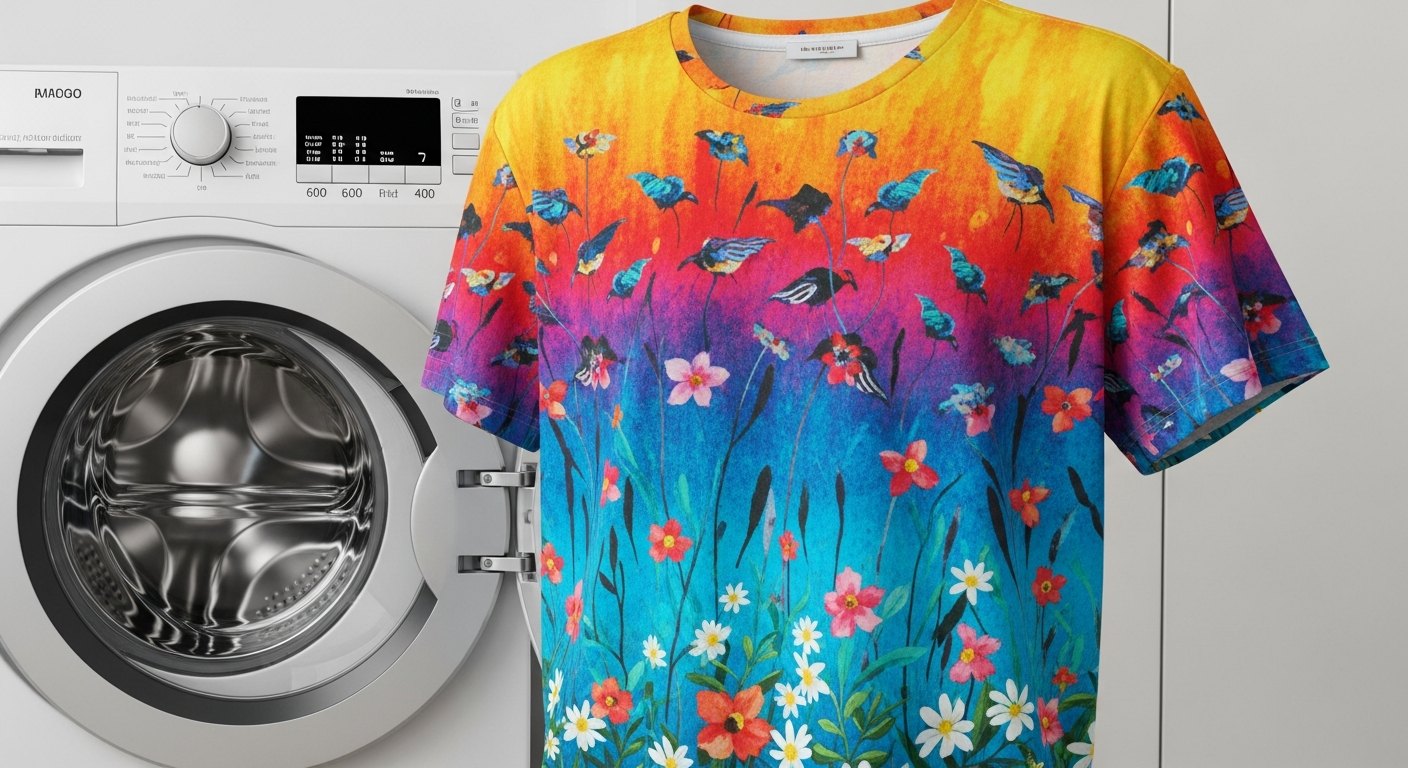
DTF Transfer Care: Washing Instructions to Give Customers
Your press work only holds up if the customer washes the shirt right. Here are the DTF care instructions to give every customer, plus why each rule matters.
You can press a flawless DTF transfer and still get a complaint two weeks later, because the last step of a transfer's life is out of your hands. It happens in the customer's laundry room. A print that was bonded perfectly can still be worn down by a hot wash and a high-heat dryer. That is why the smartest thing you can add to an order costs almost nothing: a short set of care instructions. This guide gives you the exact rules to pass along and explains why each one matters, so you can hand customers something clear and stand behind it.
The care instructions to give customers
Here is the copy-ready version. These are the rules that keep a DTF print sharp for its full lifespan, which for a well-applied transfer is 40 to 50 or more washes.
- Wait 24 hours before the first wash so the bond fully sets.
- Turn the garment inside out before washing.
- Wash in cold water on a gentle or normal cycle.
- Use mild detergent. No bleach and no fabric softener with harsh additives.
- Hang dry when possible, or tumble dry on low heat.
- Do not iron directly on the print. Iron inside out or lay a cloth over the design.
- Do not dry clean.
Why cold water matters
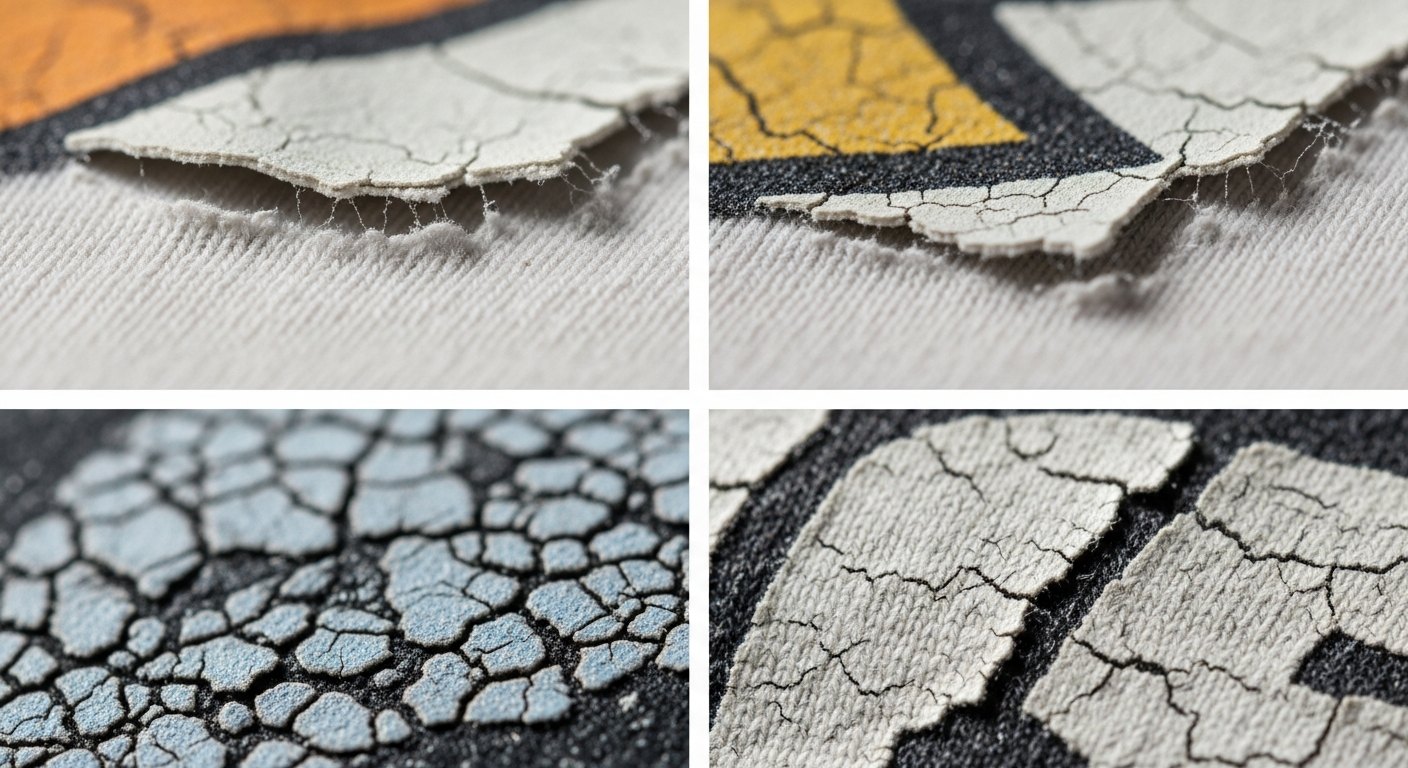
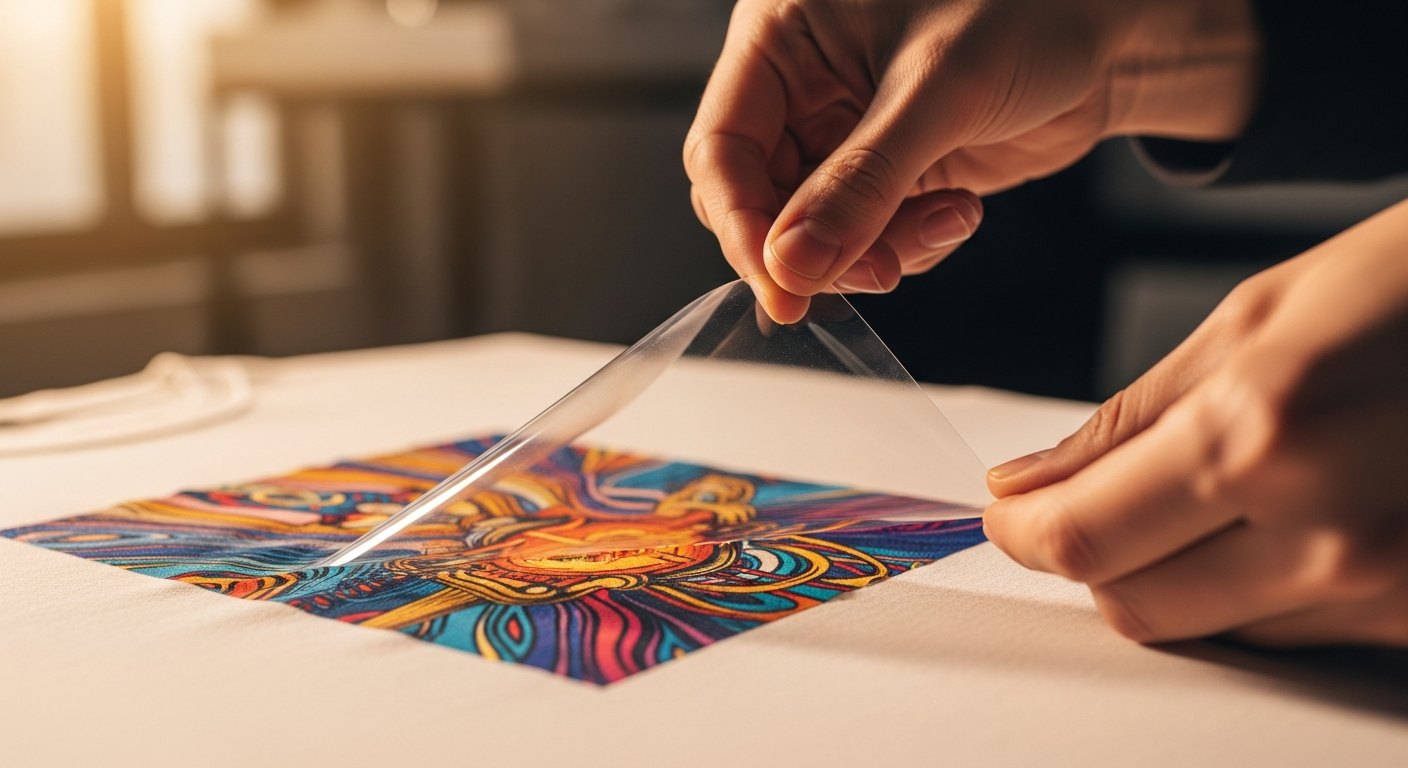
Heat is the main thing that ages a DTF print, and hot wash water is a steady dose of it every cycle. A DTF transfer is ink plus a hot-melt adhesive bonded into the fabric with heat. Hot water repeatedly softening that adhesive, especially in the first few washes before the bond has fully settled, is what leads to early cracking and lifting. Cold water cleans just as well for everyday wear and keeps the bond stable. It also protects the colors, which fade faster in hot water. Cold is the single most important instruction on the list, and if a customer remembers only one rule, this is the one to make sure they keep.
Why inside out and gentle cycle
Turning the garment inside out puts the fabric, not the print, against the drum, the zippers, and everything else tumbling in the load. DTF prints are flexible and durable, but constant direct abrasion against buttons and rough fabrics still wears at the surface over time. Inside out takes that abrasion off the design. A gentle cycle does the same thing in a different way by reducing how hard the garment is thrown around. Together they cut the mechanical stress on the print without changing how clean the shirt gets. It is a small habit that adds up over dozens of washes, and it costs the customer nothing but a two-second flip before the load goes in.
Why drying is where prints die
If cold water is the most important wash rule, low-heat drying is a close second, because the dryer combines the two things a DTF print likes least: high heat and tumbling. A hot dryer can soften the adhesive and stress the ink at the same time the garment is being thrown around. Hang drying sidesteps the problem entirely and is the gentlest option. When a dryer is a must, low heat and pulling the garment out slightly damp is far safer than a long, high-heat cycle. Tell customers this directly, because most people default to whatever dryer setting they always use, and that default is usually high.
The ironing trap
A hot iron pressed straight onto a DTF design is one of the fastest ways to ruin it. The direct heat can scorch the ink, and the iron can stick to and lift the print. If a garment needs pressing, the rule is simple: iron it inside out, or lay a thin cloth or parchment sheet over the design and press that instead. Steam from a distance is fine. Direct contact is not. This one surprises customers, so it is worth calling out plainly rather than burying it. The same caution applies to any high-heat tool, from a clothes steamer held too close to a hair dryer used to spot-dry the print.
Set expectations, not just rules
Care instructions do double duty. They protect the print, and they protect you. When you send clear instructions with an order, a customer who washes the shirt on hot and tumbles it dry on high has been told how to care for it, which changes the conversation if they come back. It also signals that you know what you are doing, which builds trust for the next order. Frame the card as a promise: follow these and your print will last for years.
Make the instructions easy to actually follow
The best care card is one a customer can follow without thinking. Keep it short, lead with the two rules that matter most (cold wash, low or no dryer heat), and use plain language instead of laundry symbols people cannot read. If you sell online, add the same instructions to the product page and the order confirmation email so the message lands even if the printed card gets tossed with the packaging. Repetition is not overkill here; most wash damage comes from a habit, and a habit only changes when the reminder shows up more than once.
A last note for peace of mind. Good care starts before the customer ever gets the shirt. A transfer that was pressed to spec and made with proper adhesive is far more forgiving of an occasional wash mistake than a weak one. Our transfers at /transfers and the gang sheets you build at /builder are cured to a fixed standard, so the durability is there for your press work and your customers' care to build on. Pair a solid transfer with a solid press and a clear care card, and cracked-print complaints become rare enough to forget about.
Frequently asked questions
Auto-nesting, low-res warnings before you pay, shipped same-day from Texas.
Open the builder →