Why Do DTF Transfers Crack or Peel? (And How to Stop It)
A DTF transfer that cracks or peels almost always traces back to the press, not the film. Here are the real causes and the fixes that make a transfer last.
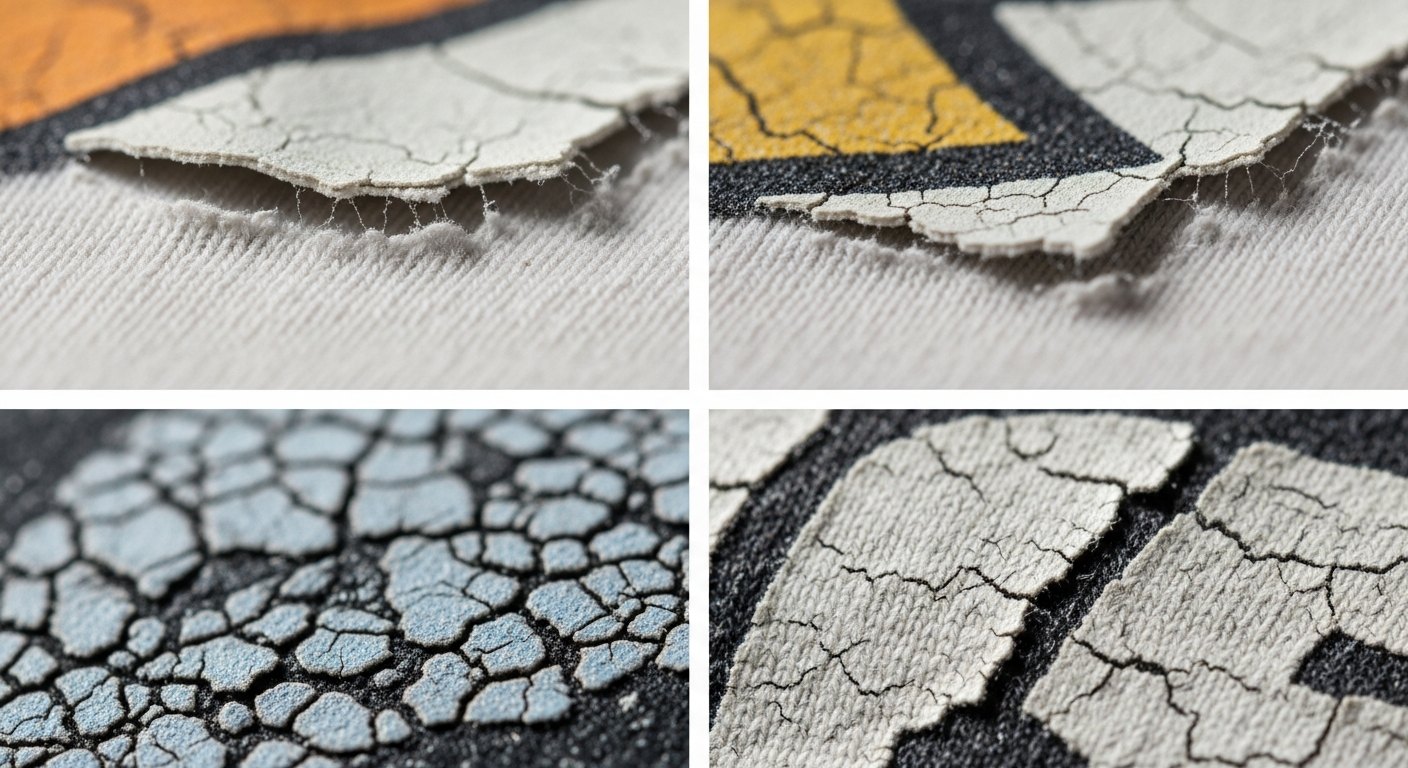
A DTF transfer that cracks down the middle or peels up at a corner is one of the most frustrating things to see, especially after you have already handed the shirt to a customer. The good news is that DTF is a durable process when it is done right, and cracking is almost never a mystery. It comes from a short list of causes, and every one of them is something you control. Fix the process and a transfer will ride out 40 to 50 or more washes without complaint.
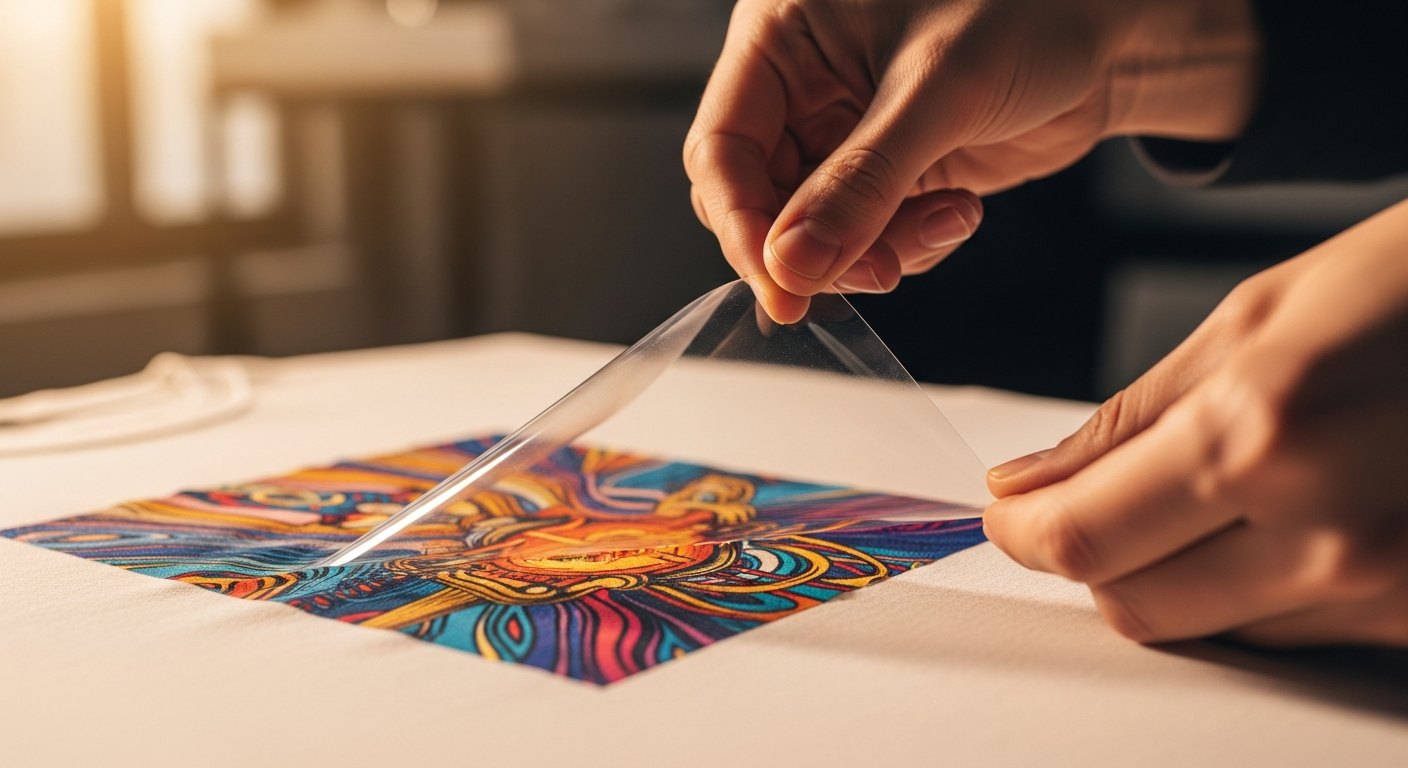
First, a quick refresher on what a DTF transfer actually is. Ink is printed onto a film, then a hot-melt adhesive powder is applied over the ink and cured. At the press, heat and pressure melt that adhesive into the fibers of the garment so the ink layer bonds to the fabric. Cracking and peeling are, almost every time, a sign that bond never fully formed. Let us walk through why.
Cause 1: The transfer was under-pressed
This is the number one reason DTF cracks or peels, and it has three flavors: not hot enough, not enough time, or not enough pressure. All three do the same thing, which is leave the adhesive only partly melted. It grabs enough to look fine when it comes off the press, then lets go the first time the garment stretches or hits the wash.
- Too cool: the adhesive never fully liquefies, so it sits on top of the fibers instead of soaking in.
- Too little time: the heat does not have long enough to travel through the film and melt the powder all the way down.
- Too little pressure: the melted adhesive is not pushed into the weave, so it bonds to the surface only.
The fix is to press to the film's spec, not to a number you remember from a different film. Most DTF films want somewhere around 300 to 320 degrees Fahrenheit with firm, even pressure, but the exact numbers come from whoever made the film. Follow their sheet. And check your press: a lot of home and entry-level presses read hotter on the dial than they actually are at the platen. An infrared thermometer or a heat strip pays for itself here.
Cause 2: You skipped the post-press
The post-press is the second press you do after you peel the film off the garment. It is the single most skipped step and one of the most important. After the film is gone, you lay a cover sheet (parchment or a Teflon sheet) over the design and press it again for a few seconds. This re-melts the adhesive with the ink now locked against the fabric, flattens the print into the fibers, and knocks down the slight glossy or raised look you sometimes get right after peeling.
A transfer with a proper post-press feels softer, sits flatter, and survives dramatically more washes than one without. If your transfers look great on day one and crack after a few washes, a missing post-press is one of the first things to suspect.
Cause 3: Not enough adhesive powder
The adhesive powder is the glue. If a transfer was made with too little powder, or the powder was not spread evenly, or it was not cured properly before pressing, there simply is not enough bonding material to hold the ink to the fabric. You will often see this as peeling that starts at the fine details or thin lines of a design, where there was the least powder to begin with.
This one is on the printer, not the presser, which is a good reason to buy transfers from a shop that controls its powder and cure carefully. Our ready-to-press transfers at /transfers are powdered and cured to a fixed standard so the adhesive is there and even every time, and the gang sheets you build at /builder come off the same line.
Cause 4: The wash killed it early
Even a perfectly pressed transfer can be undone by how the garment is washed, especially in the first few cycles while the bond is still settling in. High heat is the enemy. Washing in hot water and drying on high, right out of the gate, stresses the adhesive and the ink far more than a cold, gentle cycle. So does ironing directly on the print, which can scorch the ink and lift it.
This is why the care instructions you give customers matter as much as your press settings. Wash cold, turn the garment inside out, use a gentle cycle, skip the bleach, and hang dry or tumble on low. Never iron straight onto the design. A transfer treated this way holds its color and its grip far longer than one thrown in a hot load on day two.
A quick diagnostic checklist
- Peeling from a corner or edge, whole design lifts: under-pressed. Add heat, time, or pressure and verify your press temperature.
- Cracks after a few washes but looked perfect at first: missing post-press, or the wash was too hot too soon.
- Thin lines and fine detail flake off first: not enough adhesive powder on those areas.
- Print looks scorched or shiny and then lifts: too much heat, or an iron was used directly on the design.
- One bad garment in an otherwise good batch: uneven pressure on that spot, often a seam or zipper under the platen throwing off contact.
Run through that list and the culprit usually shows itself. Most of the time it is one variable, not a mysterious combination, which is why a methodical test transfer beats guessing. Change one thing, press again, and check. If a whole batch is peeling the same way, the cause is upstream in your press settings or the transfers themselves. If only a few garments fail, look at what was different about those pieces at the press: a seam under the platen, a thicker fabric, or uneven pressure from a worn press gasket.
DTF is not a fragile process. A transfer that is pressed to spec, post-pressed, made with proper adhesive, and washed with a little care will outlast the shirt it is on. Get those four things right and cracking stops being a problem you think about.
Frequently asked questions
Auto-nesting, low-res warnings before you pay, shipped same-day from Texas.
Open the builder →