DTF vs Screen Print Transfers: Which Is Cheaper?
DTF has no screens and no minimums, so it wins on small and mixed orders. Screen print transfers get cheaper only at high volume of one design.
The most common question in custom apparel is which method costs less: DTF or screen print transfers. The honest answer is that it depends on how many shirts you are printing and how many different designs you have. One method is built for flexibility and small runs, the other for pumping out huge quantities of a single design. Get the match wrong and you overpay. Here is how the math actually works.
Where the cost comes from
Screen printing and screen print transfers both require screens. A screen has to be burned for every color in every design, and that setup cost is charged whether you print 10 shirts or 1000. That is why screen printers set minimums. The setup only pays off when you spread it across a big order. Once the screens are made, each additional print is cheap, so the unit cost drops as the run gets bigger.
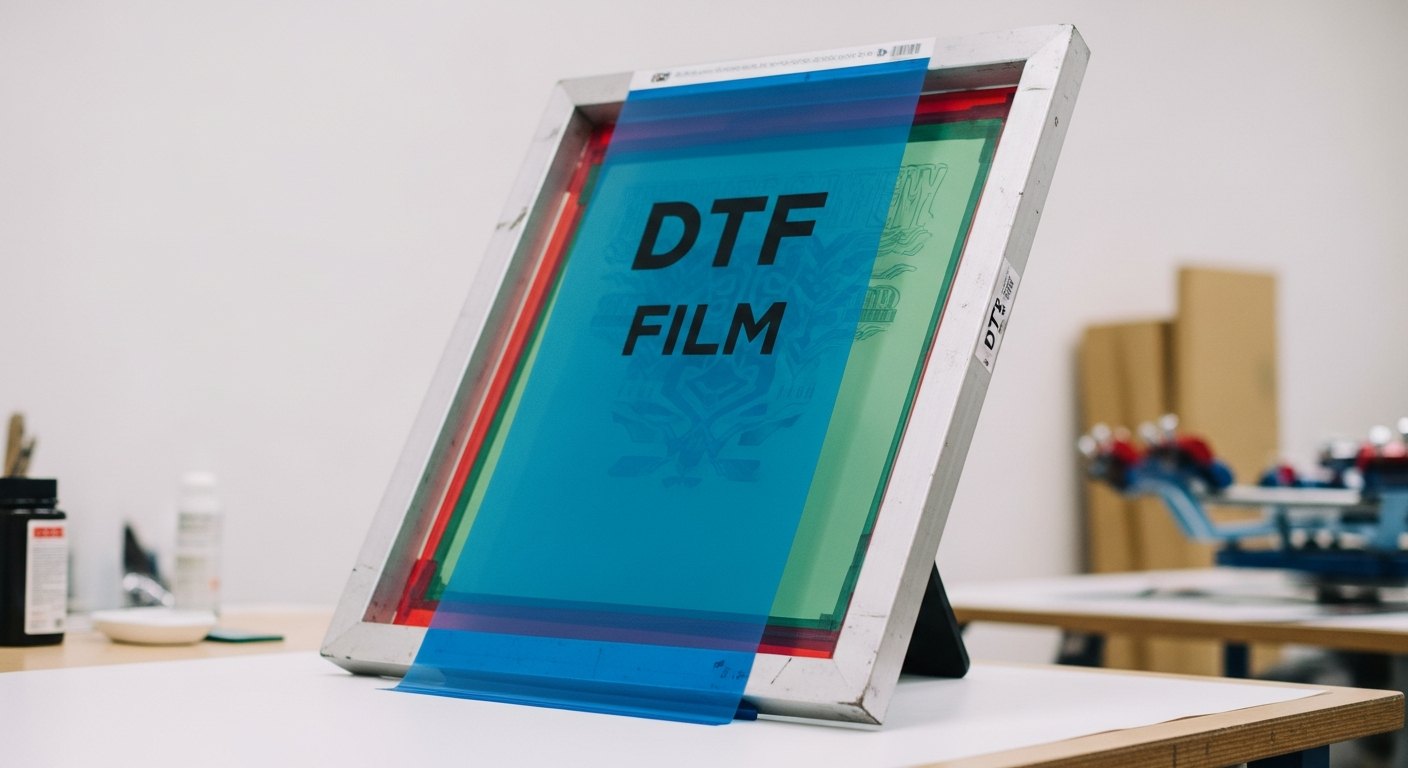
DTF has no screens and no setup. Ink plus adhesive powder is printed onto a film and heat-pressed onto the garment, so a single design costs the same to set up as fifty designs. There are no minimums. You pay for the film and ink you use. That does not mean every quantity costs the same per unit, since packing more onto a gang sheet still lowers your cost per design, but you are never paying a screen fee to get started.
When DTF is cheaper
DTF is the cheaper choice in the situations most small shops and online sellers actually face.
- Small orders. Printing 1, 5, or 20 shirts, where a screen setup fee would dominate the cost.
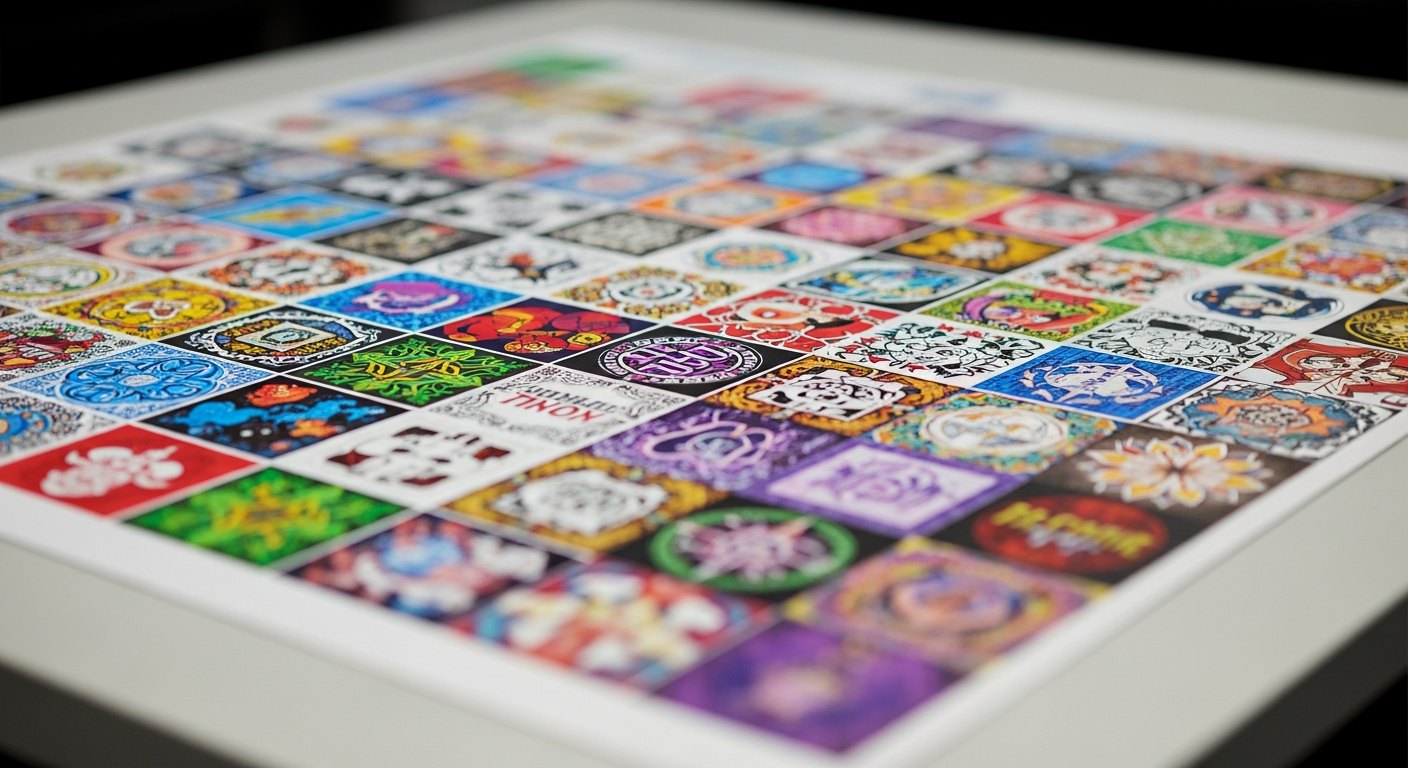
- Many different designs. Every new design in screen print means new screens. In DTF it is just more art on the sheet.
- Full-color and photo art. Screen print charges per color, so a detailed, multi-color design gets expensive fast. DTF prints full color at one price.
- Mixed orders. A few of this, a dozen of that, all on one gang sheet with no minimum per design.
With a gang sheet, you pack as many designs as you want onto one sheet of film and pay for the film, not per graphic. That is what keeps small and varied orders affordable, and you can arrange it all in our builder before you buy.
When screen print is cheaper
Screen print earns its keep at scale. If you are printing hundreds or thousands of the exact same design with a low color count, the one-time screen cost spreads across the whole run and the per-shirt price drops below DTF. A simple one-color or two-color logo on a large uniform order is the classic case where screen print transfers come out ahead.
The catch is that this only holds when the design stays the same. Add color changes, design variations, or personalization and you are burning new screens each time, which erodes the advantage quickly.
A quick example
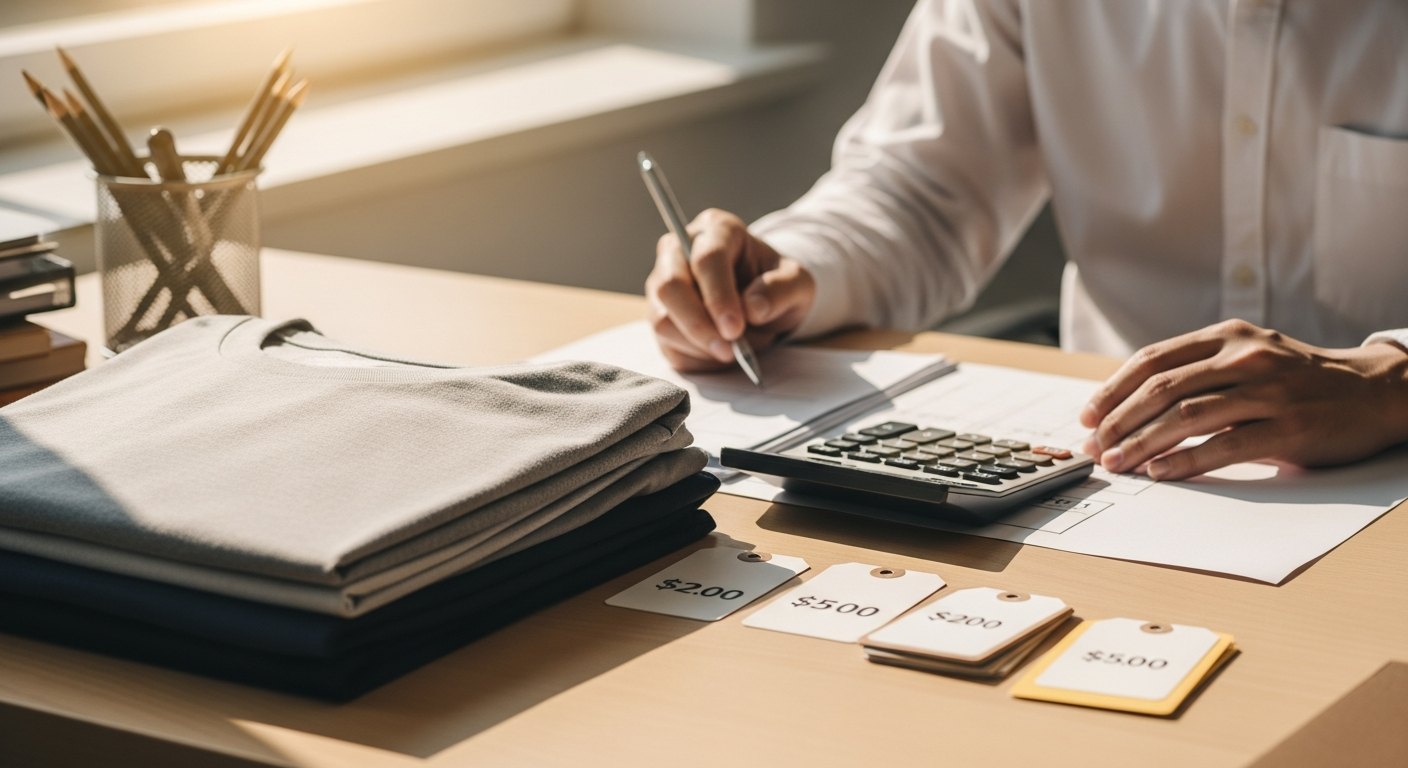
Say you need 15 shirts across 3 designs. In screen print that is setup fees for 3 separate jobs before a single shirt is printed, and likely a minimum you have to hit. In DTF it is one gang sheet with all 3 designs, no minimums, at a fraction of the total. Now flip it: 500 shirts of one two-color logo. Here the screens get made once and the per-shirt cost drops low enough that screen print likely wins.
Turnaround and reorders
Speed is part of the cost picture too, even if it does not show on the invoice. Screen print jobs involve setup, screen burning, and often a queue behind other large orders, so lead times stretch out. DTF skips all of that. There are no screens to make, so a transfer can go out the door fast. We ship same-day when you order by 2 PM CT, which matters when a customer needs shirts for an event this weekend, not next month.
Reorders tell the same story. With screen print, a reorder can mean re-burning screens if they were not stored, plus hitting the minimum again. With DTF, you just reprint the same file, one piece or a hundred, with no floor to clear. For a shop that fulfills a steady stream of small custom orders, that flexibility often saves more money over a year than any single per-shirt price comparison suggests.
Beyond price
Cost is not the only factor. DTF prints full color with no per-color charge, handles fine detail and gradients, and works on cotton, blends, and dark shirts alike. It also lets you order transfers ready to press with no equipment on your end, or build your own sheet, with same-day shipping if you order by 2 PM CT. Screen print transfers can have a very soft hand and are excellent for huge simple runs, but they trade away the flexibility that most small sellers need day to day.
It is also worth weighing risk. Ordering a big screen print run means committing to a minimum quantity of one design up front, which is real money tied up in inventory you have to sell. DTF lets you print to demand. You can test a design with a handful of shirts, see if it sells, and only scale up what works. For a new shop or an Etsy seller feeling out the market, that lower commitment is often worth more than shaving a few cents off the per-shirt price of a run you may not sell out.
The bottom line
If you print small batches, mixed designs, or full-color art, DTF is almost always cheaper because there are no screens and no minimums. If you print massive runs of one simple design, screen print transfers can win at scale. Count your quantities and your designs, and the cheaper method picks itself.
Frequently asked questions
Auto-nesting, low-res warnings before you pay, shipped same-day from Texas.
Open the builder →