DTF vs Sublimation: Which Is Right for Your Shirts?
DTF prints on cotton, blends, and dark shirts. Sublimation only works on light polyester. The right choice depends entirely on your blanks.
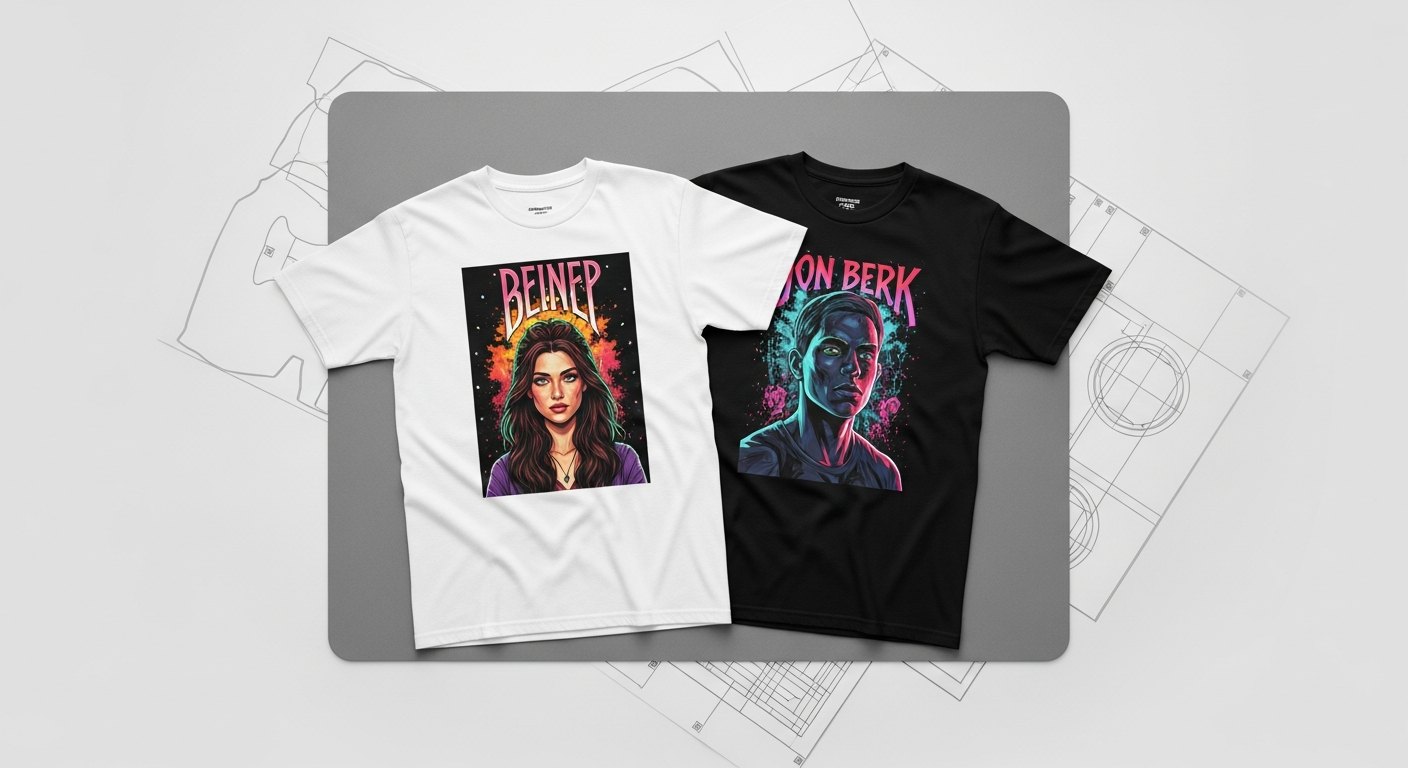
DTF and sublimation both put full-color designs on shirts, and both give you photo-quality prints without screens. That is where the similarity ends. They bond to fabric in completely different ways, and that difference decides which blanks you can use. Pick the wrong one for your product and the print either will not take or fades within a few washes. Here is how to choose.
The core difference
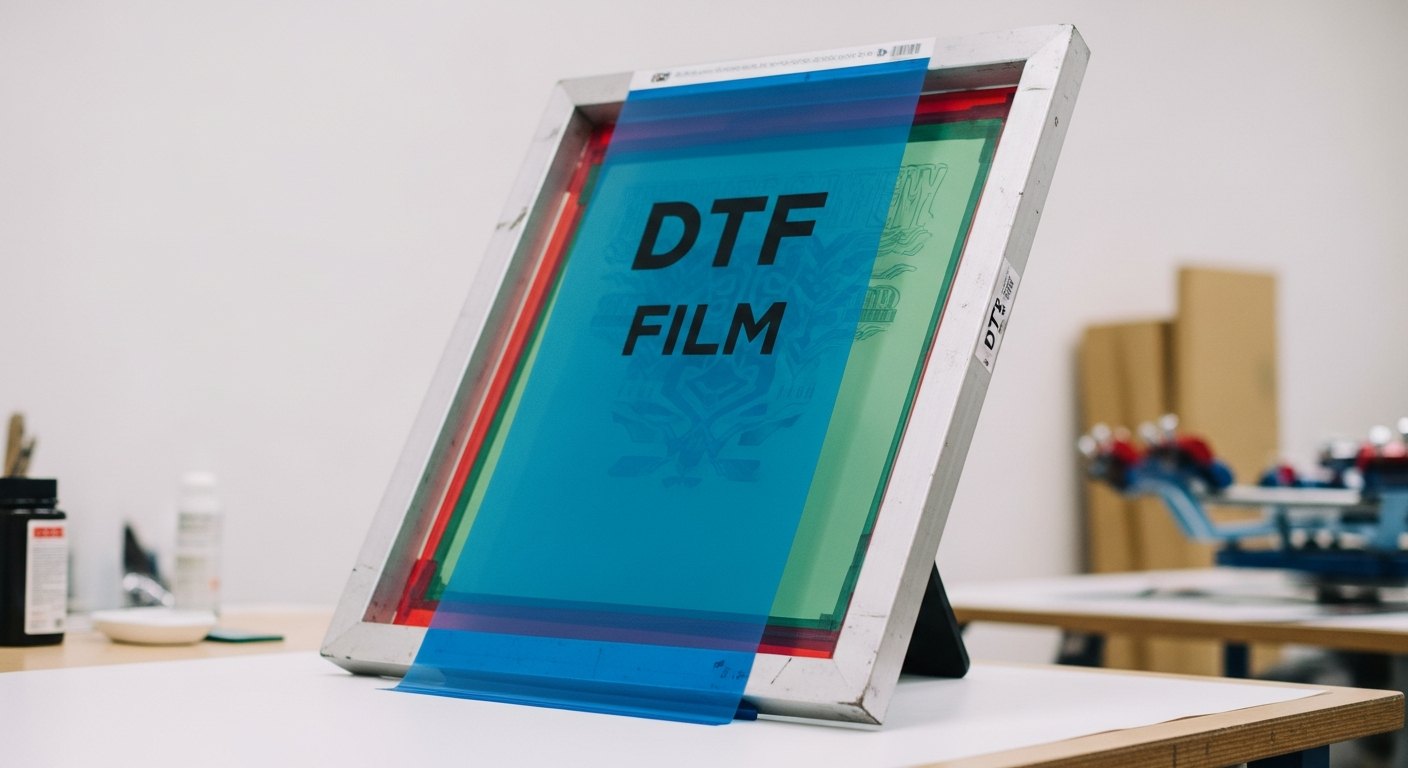
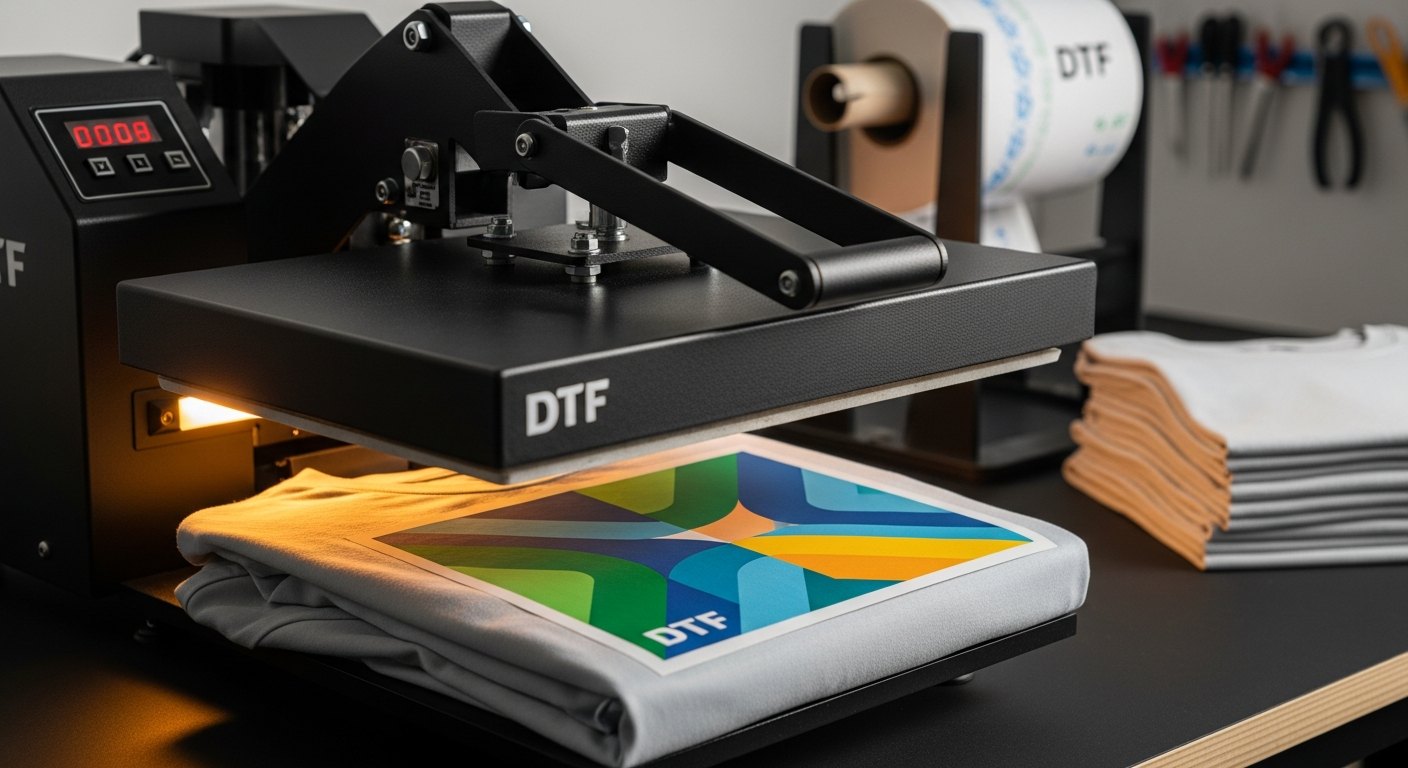
Sublimation turns solid dye into a gas that bonds directly into polyester fibers. Because it dyes the fabric itself, it only works on polyester or poly-coated surfaces, and only on light colors since the dye is translucent and cannot cover a dark base. DTF is different. It prints ink plus an adhesive powder onto a film, and that layer is heat-pressed onto the garment. When you peel the carrier, the film comes off and the ink and adhesive stay bonded on top of the fabric. Because DTF sits on the surface with its own white ink base, it prints on almost anything in any color.
What each one works on
This is the deciding factor for most shops, so it is worth being precise.
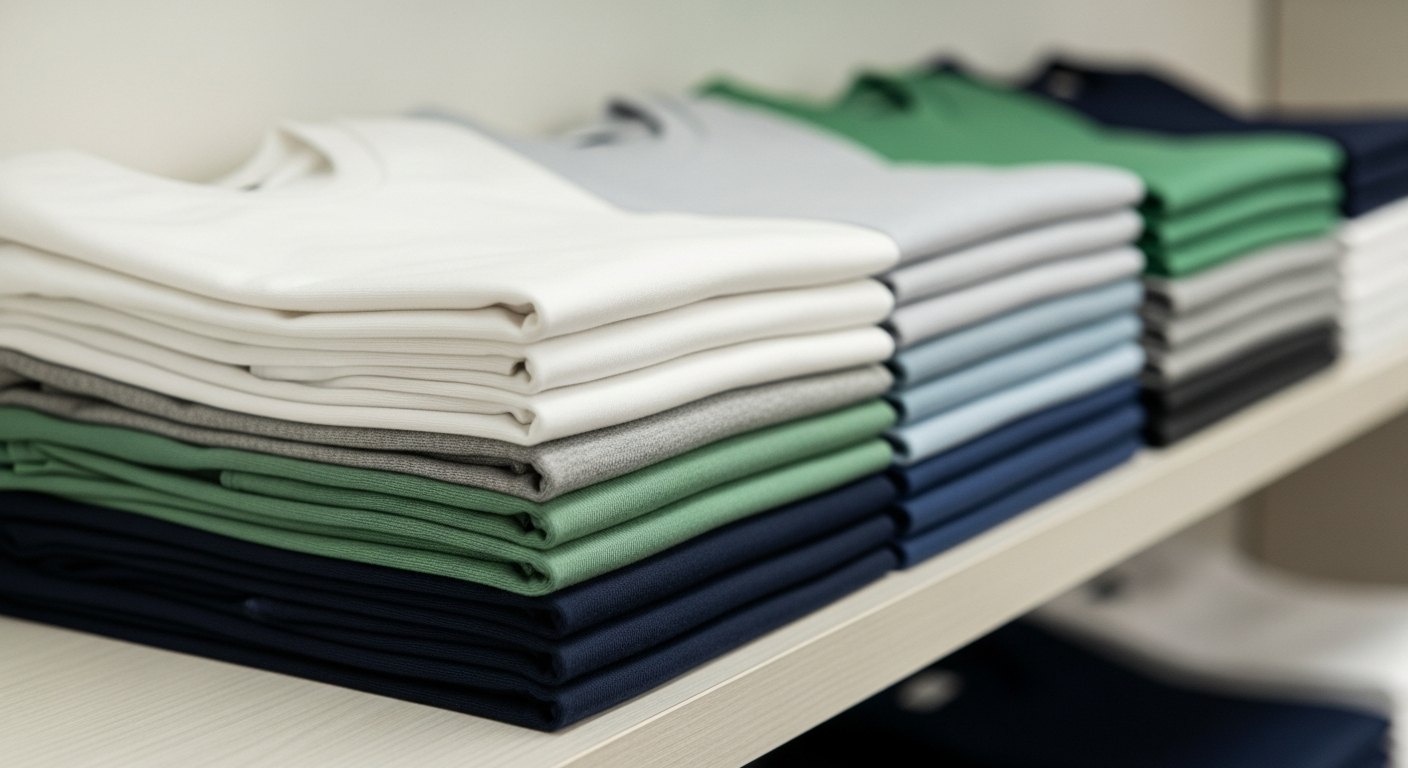
- Sublimation: light polyester and poly-coated blanks only. White and pastel work well. It cannot print on cotton or on dark garments.
- DTF: cotton, polyester, blends, canvas, and more, in light or dark colors. The white ink layer means a design pops on a black shirt just as well as a white one.
If your catalog is all light polyester performance wear, sublimation is a natural fit. If you sell cotton tees, hoodies, black shirts, or a mix of fabrics, DTF covers all of it with one process.
Feel, durability, and look
Sublimation has no hand at all. Because the dye becomes part of the fabric, there is nothing to feel and nothing that can crack or peel. On the right blank it is extremely durable. The tradeoff is the narrow blank selection and the fact that it fades on anything but light poly.
DTF has a light hand, meaning you can feel the design slightly on the surface, though modern films are soft and flexible. Applied correctly at the right temperature and pressure, DTF is very durable and survives many wash cycles. It gives you bright, opaque color on any fabric, which sublimation simply cannot do on cotton or darks.
A quick side by side
- Fabric range: DTF wins. It prints on nearly everything, sublimation only on poly.
- Dark shirts: DTF only. Sublimation cannot print dark garments.
- Hand feel: Sublimation wins. It has zero hand, DTF has a light one.
- Setup: Both skip screens. DTF has no minimums, so single shirts are easy.
The all-over print question
One place sublimation genuinely leads is edge-to-edge, all-over prints, like a full-coverage design that runs off the sleeves and hem of a polyester shirt. Because the dye becomes part of the fabric, there is no panel or border where the print stops. DTF is applied as a placed transfer, so it is built for logos, front prints, back prints, and pocket designs rather than seamless full-garment coverage. If your entire product concept is all-over sublimated poly apparel, that is sublimation territory.
For the vast majority of custom apparel, though, the order is a logo or a graphic on a specific spot, on whatever blank the customer picked. That is DTF's home ground, and it does not care whether the shirt is cotton, a tri-blend, or black.
Cost and workflow
Neither method needs screens or minimums, which already makes both far more flexible than screen printing for small runs. Sublimation needs a sublimation printer, sublimation ink, and transfer paper, plus you are locked into polyester blanks. DTF you can print in-house with a DTF printer, or you can skip the equipment entirely and order transfers ready to press. With a gang sheet, you pack many designs onto one sheet of film and pay for the film rather than per design, which keeps small runs cheap.
For a shop that wants one process to cover every order, DTF is usually the simpler answer because it does not restrict the blanks you can sell. You can build a mixed sheet of designs in our builder, or grab ready-to-press transfers, and press the same way onto cotton or poly, light or dark.
There is also the inventory angle. Sublimation ties you to stocking polyester blanks, which limits the styles and brands you can offer, especially since a lot of popular tees and hoodies are cotton or cotton-heavy blends. DTF lets you keep whatever blanks your customers actually ask for and decorate all of them the same way. Fewer constraints on blanks usually means fewer lost sales.
Which should you choose?
Choose sublimation if your product line is committed to light-colored polyester, especially all-over prints on performance apparel, mugs, and poly-coated goods where a zero-hand finish matters. Choose DTF if you sell cotton, dark colors, or a range of fabrics and want one method that handles all of them with bright, durable color. Most general apparel shops land on DTF for exactly that flexibility.
You do not have to pick just one forever, either. Plenty of shops run sublimation for their poly performance line and drinkware, then reach for DTF the moment an order calls for a cotton tee, a hoodie, or a black shirt. Knowing what each method can and cannot do lets you route every order to the right process instead of turning work away or delivering a print that will not last.
The bottom line
Sublimation dyes light polyester and gives a flawless zero-hand finish on that narrow set of blanks. DTF sits on top of nearly any fabric in any color and covers everything else. Match the method to the shirts you actually sell and you will get prints that last.
Frequently asked questions
Auto-nesting, low-res warnings before you pay, shipped same-day from Texas.
Open the builder →