Can You Put DTF on Hats, Bags, and Hard Goods?
DTF is not just for shirts. Here is exactly what it can decorate, from fabric hats and canvas totes to why hard surfaces need UV DTF instead.
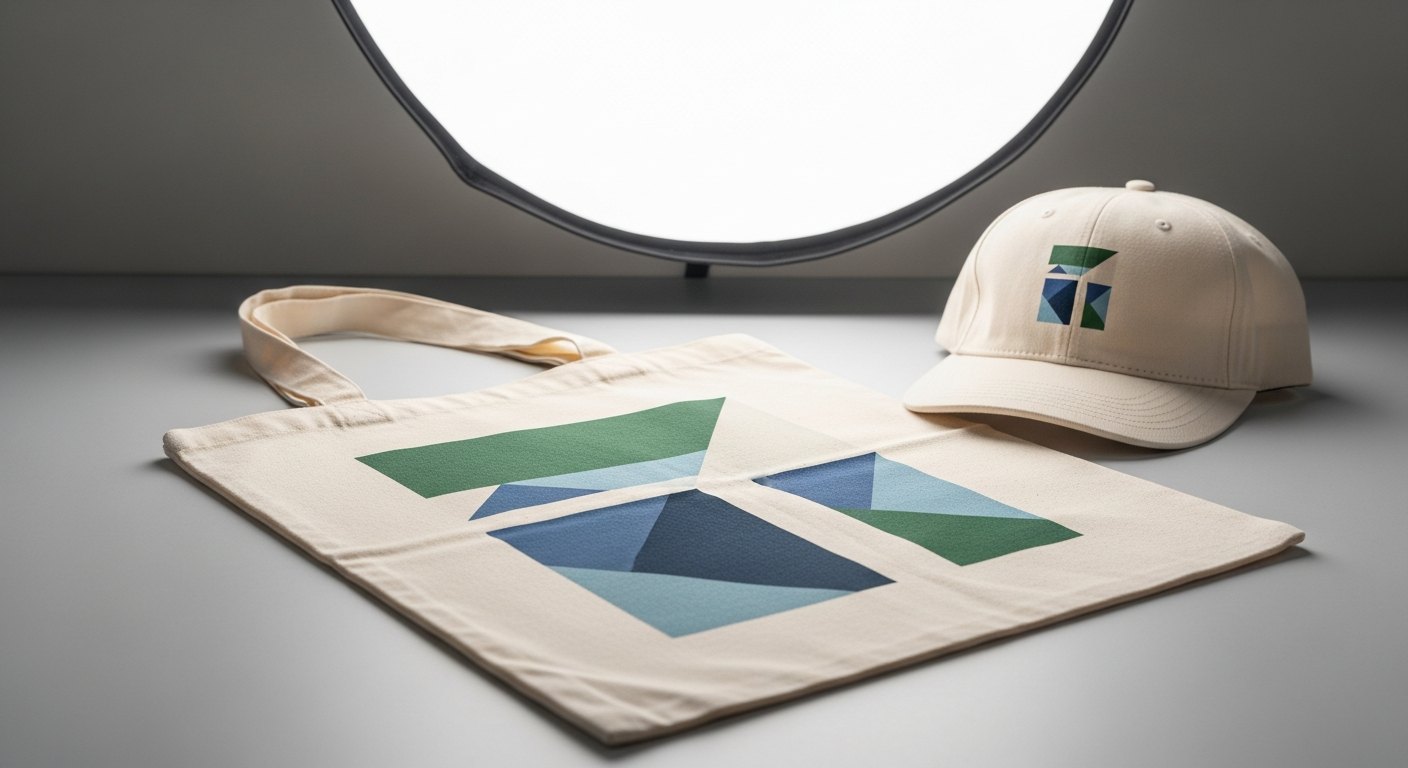
Shirts are where most people start with DTF, but they are nowhere near the limit. A single transfer method can decorate hats, tote bags, aprons, and more, which is why DTF has become the go-to for anyone building a full product line instead of just tees. The catch is knowing which version of DTF a surface needs. Fabric items take standard garment DTF. Hard surfaces like mugs and tumblers need UV DTF, a different product entirely. Mix them up and you get a transfer that will not stick.
Hats: yes, with the right setup
You can absolutely put DTF on fabric hats. The reason people hesitate is the shape. A cap is curved and often has a structured front panel with a seam down the middle, so a flat heat press does not make even contact the way it does on a shirt. The fix is pressure and the right tool.
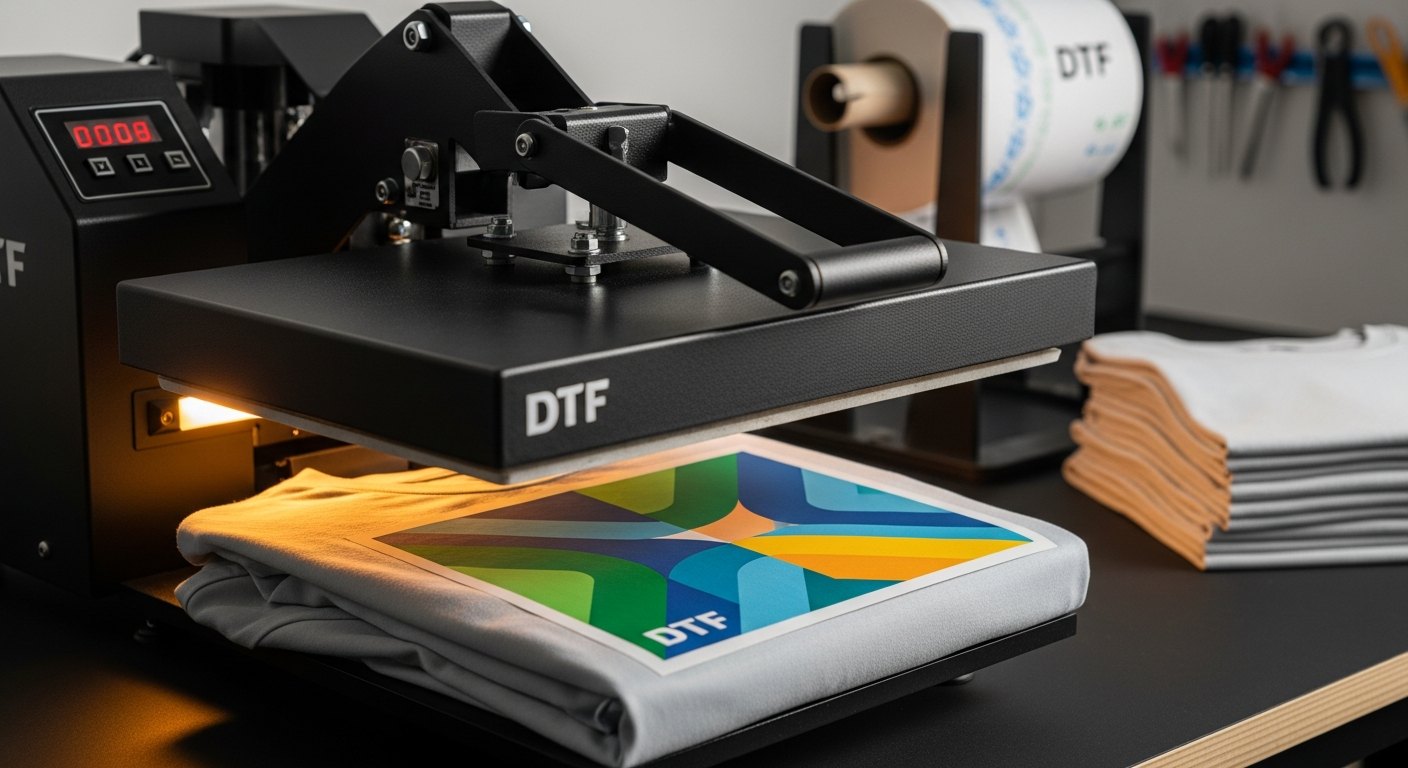
- Use a hat press or a heat press with a curved lower platen so the whole design contacts the panel evenly.
- Keep the design modest in width so it fits cleanly on the front panel without crossing hard seams.
- Press with firm, even pressure at a lower dwell than a shirt, and check your film's recommended settings.
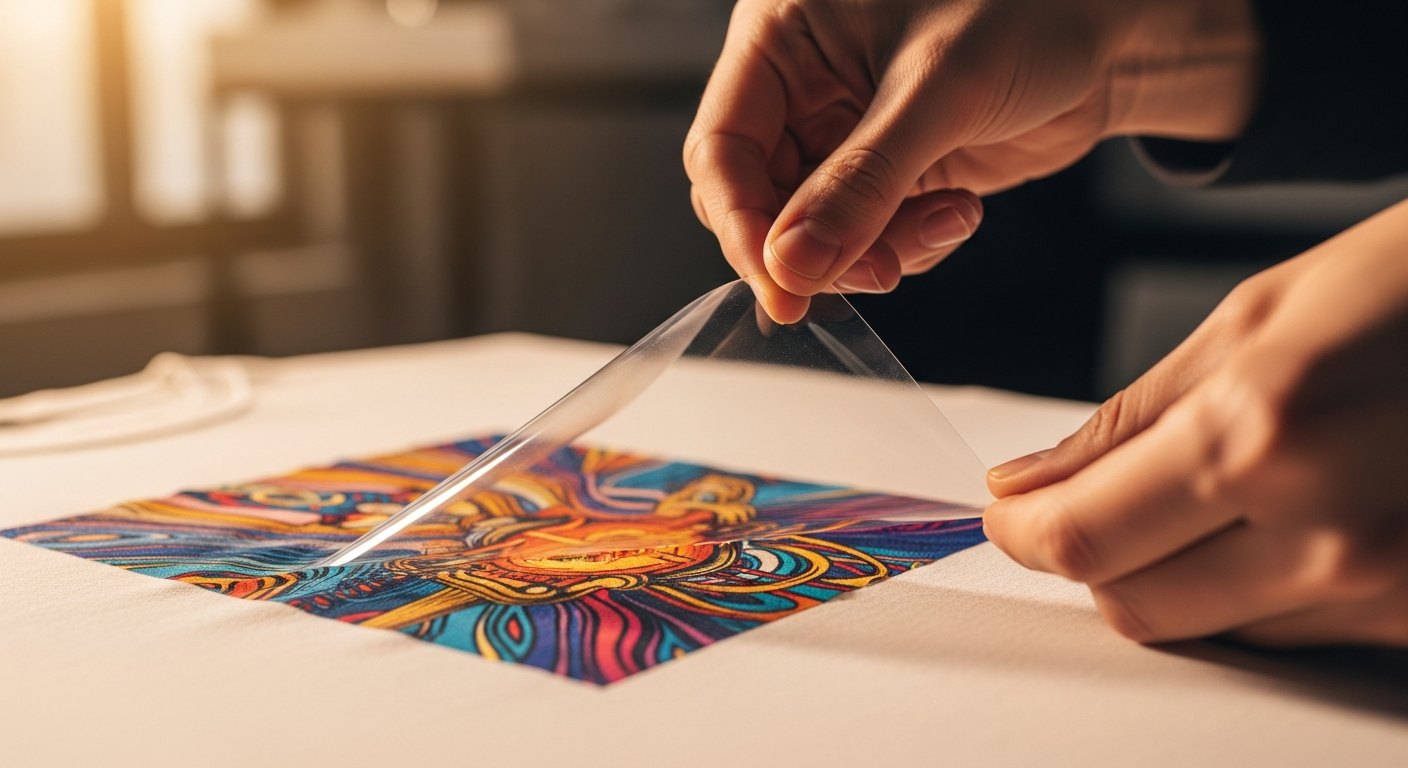
- Peel per your film's instructions and let the bond cool before handling.
Structured caps with a foam or stiff front need a little more care because the panel resists pressure, but they take a transfer well once you have firm contact. Unstructured and soft-fabric caps are the easiest of all. Either way, a test press on a spare hat tells you if your pressure and heat are dialed in before you risk a real one.
Bags and canvas: some of the easiest work you can do
Canvas tote bags, drawstring bags, and cotton pouches are among the friendliest DTF surfaces there are. They are flat, they lie down like a shirt, and canvas takes heat and pressure well. Press them much like a garment: firm pressure, heat in the usual range, and a peel per your film.
Two things to watch. First, slide a heat-safe sheet or a piece of cardboard inside the bag so heat and any adhesive do not press through to the back panel. Second, watch for thick seams and handles; keep your design in the flat central area where the press can make full contact. Aprons, cotton pouches, and fabric koozies follow the same playbook.
Hard goods: this is where UV DTF takes over
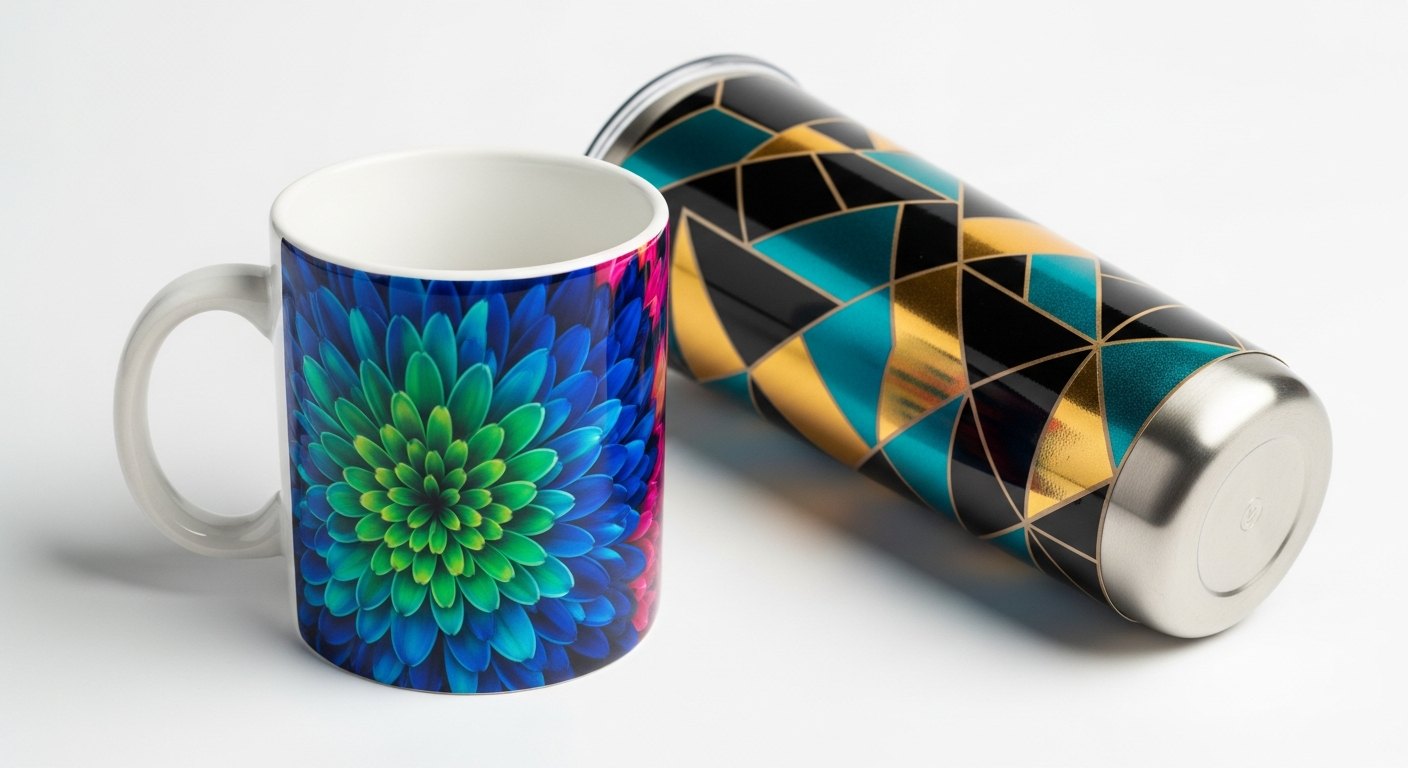
Here is the key distinction that trips people up. Standard garment DTF bonds with heat and pressure, which only works on fabric. A ceramic mug, a stainless tumbler, a wood sign, a glass jar, or an acrylic panel cannot be pressed like fabric. For those, you need UV DTF, which is a completely different product.
UV DTF transfers are cured with UV light and applied as a sticker-style wrap. No heat press required. You peel, position, apply with pressure, and rub down. That is how you decorate:
- Mugs, tumblers, and water bottles.
- Glass jars, candles, and bottles.
- Wood signs, coasters, and boxes.
- Acrylic, metal, and other smooth hard surfaces.
If you want to add hard-goods products to your lineup, reach for UV DTF, not the garment transfers you press onto shirts. Using the wrong one is the most common reason a hard-surface project fails. Learn more about how the two differ before you order so you buy the right film for the job.
Other fabric items DTF handles well
Once you know DTF grips any smooth-enough fabric with heat and pressure, the product list gets long. Beyond shirts, hats, and totes, the same garment transfer works on aprons, cotton pouches, cloth patches, headbands, and pillow covers. Each one follows the shirt playbook: find a flat area, make full even contact, use the right heat and dwell for the fabric, and test first. Thicker items like sweatshirts and canvas aprons take heat well; thin or stretchy items need a lighter, even touch so the print does not crack when the fabric moves.
The one variable that changes across all of them is fabric content. A cotton apron presses like a cotton shirt, a poly-blend drawstring bag presses a touch cooler, and a coated or waterproof item may resist adhesion entirely. When you branch into a new blank, the rule never changes: press one sample, wash it, and confirm the bond before you commit a batch.
Matching the transfer to the surface
The whole decision comes down to one question: is the surface soft or hard?
- Soft and fabric (shirts, hats, canvas bags, aprons): use standard garment DTF from /transfers and apply with heat and pressure.
- Curved fabric (caps, sleeves, pockets): same garment DTF, but use a hat press or curved platen for even contact.
- Hard and smooth (mugs, tumblers, wood, glass, acrylic): use UV DTF and apply it as a peel-and-stick wrap, no heat press.
Get that match right and DTF opens up a whole product catalog from one design library. Build a fabric design once at /builder and you can press it onto shirts, hats, and totes; order UV DTF for the hard goods and you cover mugs and tumblers too. One brand, one look, across everything a customer might want.
The bottom line
Yes, you can put DTF on hats and bags, and it works well when you give a curved cap the right pressure and keep bag designs in the flat zone. For anything hard, ceramic, metal, glass, wood, or acrylic, switch to UV DTF and apply it as a wrap. Match soft to garment DTF and hard to UV DTF, and there is very little you cannot decorate. Start with the surface, choose the transfer that fits it, run a test, and you can build an entire branded product line, apparel and drinkware and accessories alike, from one set of designs.
Frequently asked questions
Auto-nesting, low-res warnings before you pay, shipped same-day from Texas.
Open the builder →