Starting an Etsy Shirt Business With DTF (No Inventory)
DTF lets you open an Etsy shirt shop without buying stock up front. List your designs, and press each shirt only after it sells, using ready-to-press transfers or a gang sheet.

The scariest part of starting a shirt business used to be the inventory. You picked designs, guessed sizes, ordered a pile of pre-printed shirts, and prayed people bought the ones you chose. DTF removes that gamble. Because it has no minimums and needs no screens, you can list a design on Etsy, wait for a sale, and only then press the exact shirt someone ordered. Your money stays in your pocket until a customer puts theirs down first.
Why DTF fits print on demand
DTF transfers are made to sit on a shelf until you need them. A transfer is a printed film you press onto a garment with heat, so you can stock a small library of designs as flat transfers, or order them per sale, without committing to finished shirts in specific sizes and colors. That is the whole reason DTF works so well for a solo Etsy seller: the design and the blank stay separate until the last minute.
- No minimums, so you can order a single transfer for a single sale.
- No screens or setup fees, so a design that sells once is still worth printing.
- One transfer type presses onto tees, hoodies, totes, and more, so you are not locked into one blank.
- Prints hold up to washing when applied right, so returns from cracking stay low.
Two ways to run it
There are two practical ways to press on demand, and most sellers use a mix of both as they grow.
Ready-to-press transfers
When you are just starting or a design is new and unproven, order ready-to-press transfers one at a time from /transfers. You buy a finished transfer, it arrives ready to go, and you press it the moment an order lands. There is no printer to own, no ink to manage, and no maintenance. This keeps your startup cost tiny and lets you test designs with almost no risk.
Gang sheets for your proven sellers
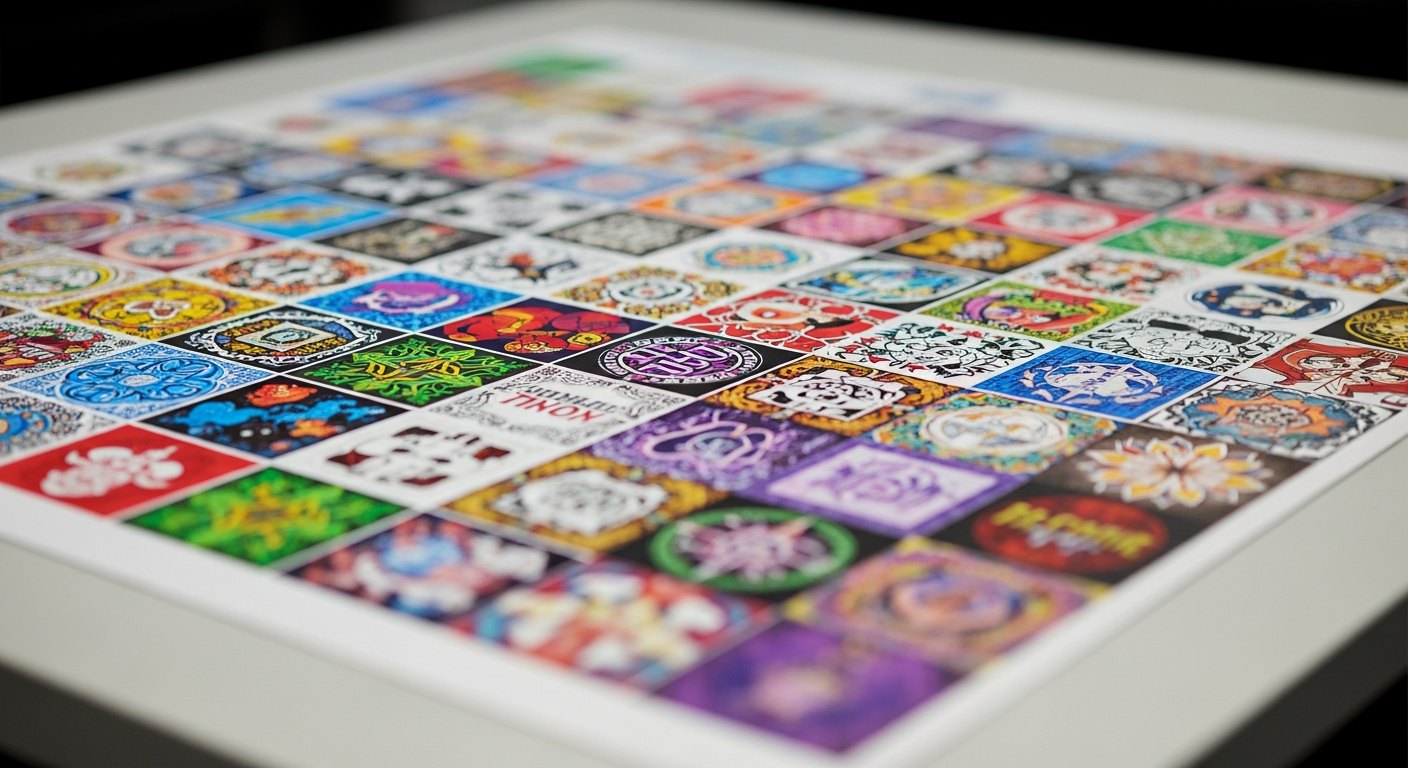
Once a design sells regularly, single transfers stop being the cheapest option. Move your steady sellers onto a gang sheet at /builder, where you pack many designs onto one sheet of film and pay for the sheet. The per-design cost drops as you fill it, so your best sellers cost you less exactly when volume rises. You keep a small stack of pressed-ready transfers on hand and press to order.
Setting up the shop
The Etsy side is straightforward once your fulfillment plan is set. Focus your listings on the design and the mockup, be clear about what blanks you offer, and photograph a real pressed sample so buyers see the actual product. Order one transfer of each new design, press it onto a blank you sell, and shoot your own photos. Real samples convert far better than flat digital mockups and prove your quality at the same time.
- Create 10 to 20 designs you can legally sell and that fit a clear niche.
- Order one ready-to-press transfer of each and press a real sample shirt.
- Photograph the samples on a person or a clean flat lay for your listings.
- List the designs, letting buyers pick size and color at checkout.
- When an order comes in, press that exact shirt and ship it, and reorder the transfer if it is selling.
Pricing so you actually profit
Print on demand only works if each shirt is priced to cover its full cost. That means the blank, the transfer, the labor to press it, Etsy's fees, and a margin on top. Do not price off the blank alone, because the blank is usually the cheapest part. Once your proven designs move to gang sheets, your transfer cost drops and your margin widens, which gives you room to run Etsy sales and still come out ahead.
Scaling without the risk creeping back
As orders grow, the temptation is to pre-buy stacks of pressed shirts to save time. Resist it early. The strength of DTF is that your risk stays low: you hold flat transfers, not sized-and-colored shirts, and transfers do not go out of style the way a bin of pre-printed larges can. Let your data tell you what to keep pressed and ready. Keep only your genuine best sellers stocked as transfers, and keep pressing everything else to order until the numbers say otherwise.
A reprint guarantee protects you as volume rises too. When a press goes wrong on a busy day, you are covered on the transfer, so one bad shirt does not eat the profit from the batch around it. That safety net is part of what makes running a lean, no-inventory shop realistic for one person.
Getting the press right
The one skill that separates a smooth Etsy shop from a stream of complaints is pressing correctly. DTF is durable when applied right, but heat, time, and pressure vary by garment, so dial them in for each blank you sell before you press a paying order. Run a test on a scrap shirt, wash it, and check that the print stays put and does not crack. Once your settings are locked for cotton, polyester, and blends, pressing an order becomes a two-minute, repeatable step you can trust.
Peeling matters too. Follow the peel instruction for the specific transfer, since pulling a hot transfer that was meant to cool, or the reverse, is a common cause of a ruined print. Getting these basics right is what makes the no-inventory model actually work, because a print that fails in the wash turns a happy sale into a refund and a bad review.
The bottom line
Starting an Etsy shirt business with DTF means selling designs, not stock. List your art, press each shirt only after it sells, and use ready-to-press transfers for new ideas and gang sheets for proven winners. Your inventory risk stays near zero, your cash stays free until an order arrives, and your business grows on demand instead of on a guess.
Frequently asked questions
Auto-nesting, low-res warnings before you pay, shipped same-day from Texas.
Open the builder →