Cold Peel vs Hot Peel DTF: What's the Difference?
Cold peel means wait for the film to cool before pulling it, hot peel means peel immediately. Each affects speed and finish, and your film sets the rule.

Once a DTF transfer is pressed, one small choice decides how the finished print looks and how fast you can move: do you peel the carrier film hot or cold? Both work, both are normal, and the difference matters more than most people expect. Peel at the wrong moment for your film and you can lift ink or ruin the finish. Here is what cold peel and hot peel actually mean and how to know which one you have.
What peeling even means
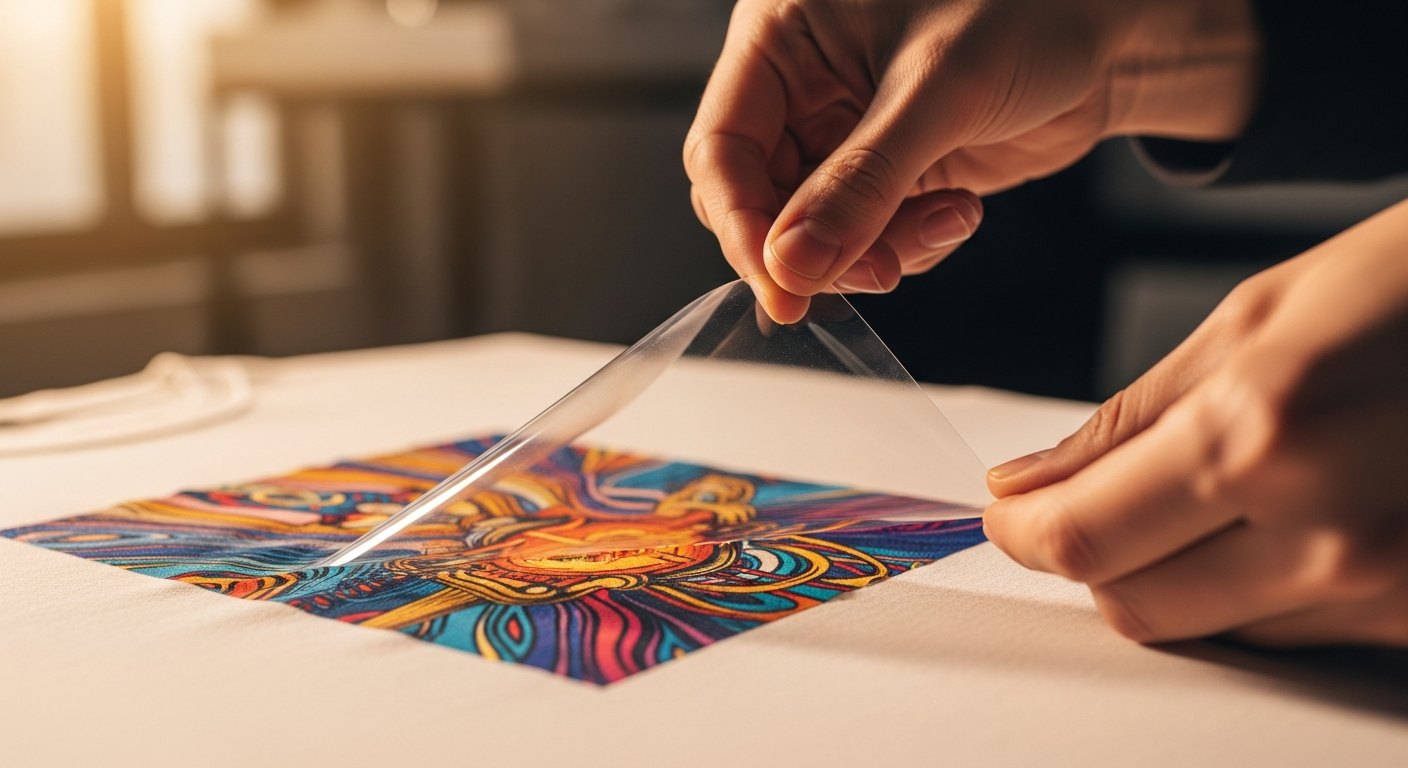
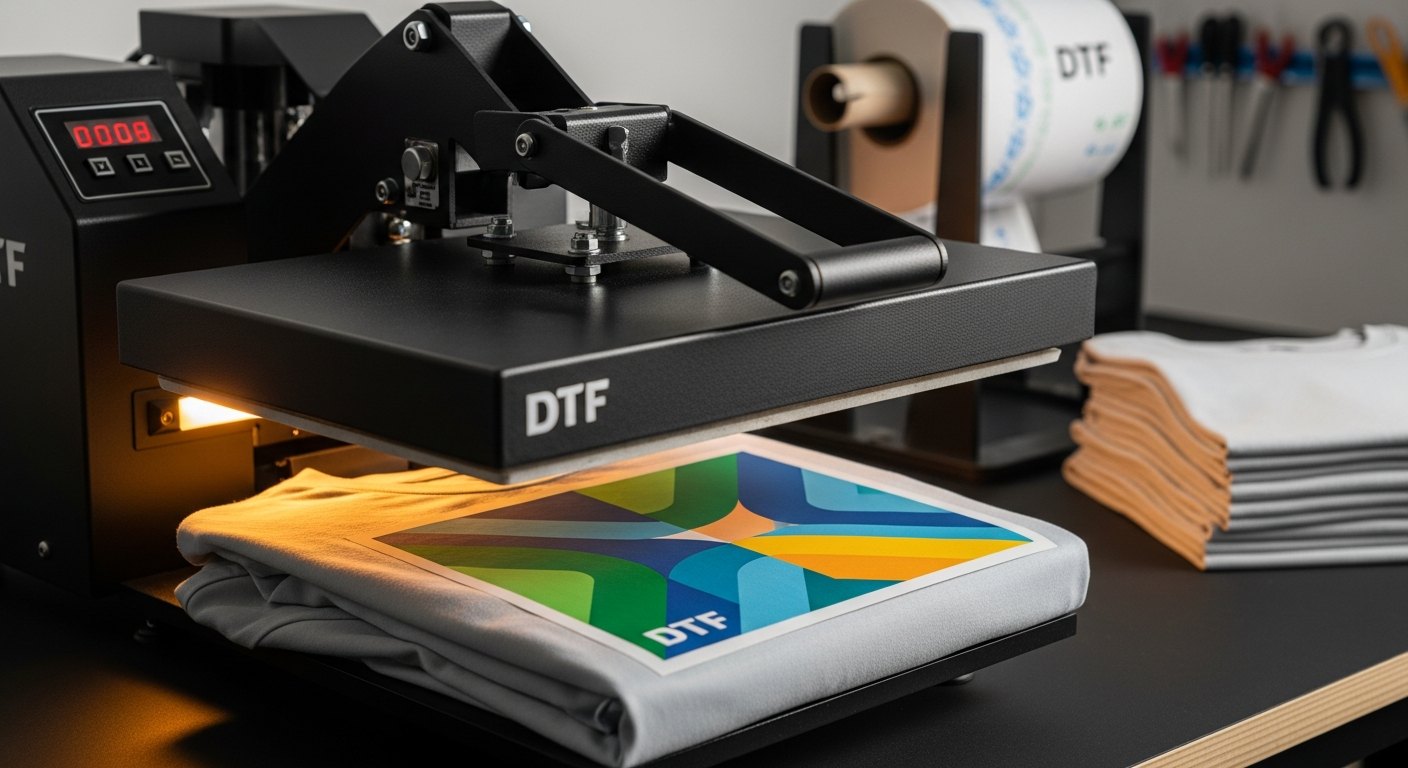
A DTF transfer arrives as your design printed on a clear carrier film. You press it onto the garment with heat and pressure. When you pull the carrier away, the film separates and the ink plus adhesive stay bonded on the shirt. That pull is the peel. The only question is timing: right after pressing while it is still hot, or after it has cooled down.
Cold peel explained
Cold peel means you press, then let the transfer cool fully before removing the carrier. The ink sets while it cools, so when you finally pull the film it releases cleanly and leaves the design firmly in place.
- Finish tends to be more matte, which many shops prefer for a premium look.
- The cooled bond can feel more forgiving and durable on the pull.
- It is slower, since each piece has to sit and cool before you touch it.
Cold peel is the go-to when you want a flatter, matte result and you are not racing the clock on a large run.
Hot peel explained
Hot peel means you pull the carrier immediately after pressing, while everything is still hot. It is the fast option because you never wait between pieces.
- Much faster for production, since you peel and move straight to the next shirt.
- The finish tends to be glossier than a cold peel.
- Timing is less forgiving, so peel smoothly and at the right moment or you risk lifting ink.
Hot peel shines when you are pressing volume and want to keep a steady rhythm without waiting on cooldown between every transfer.
Does peel type change durability?
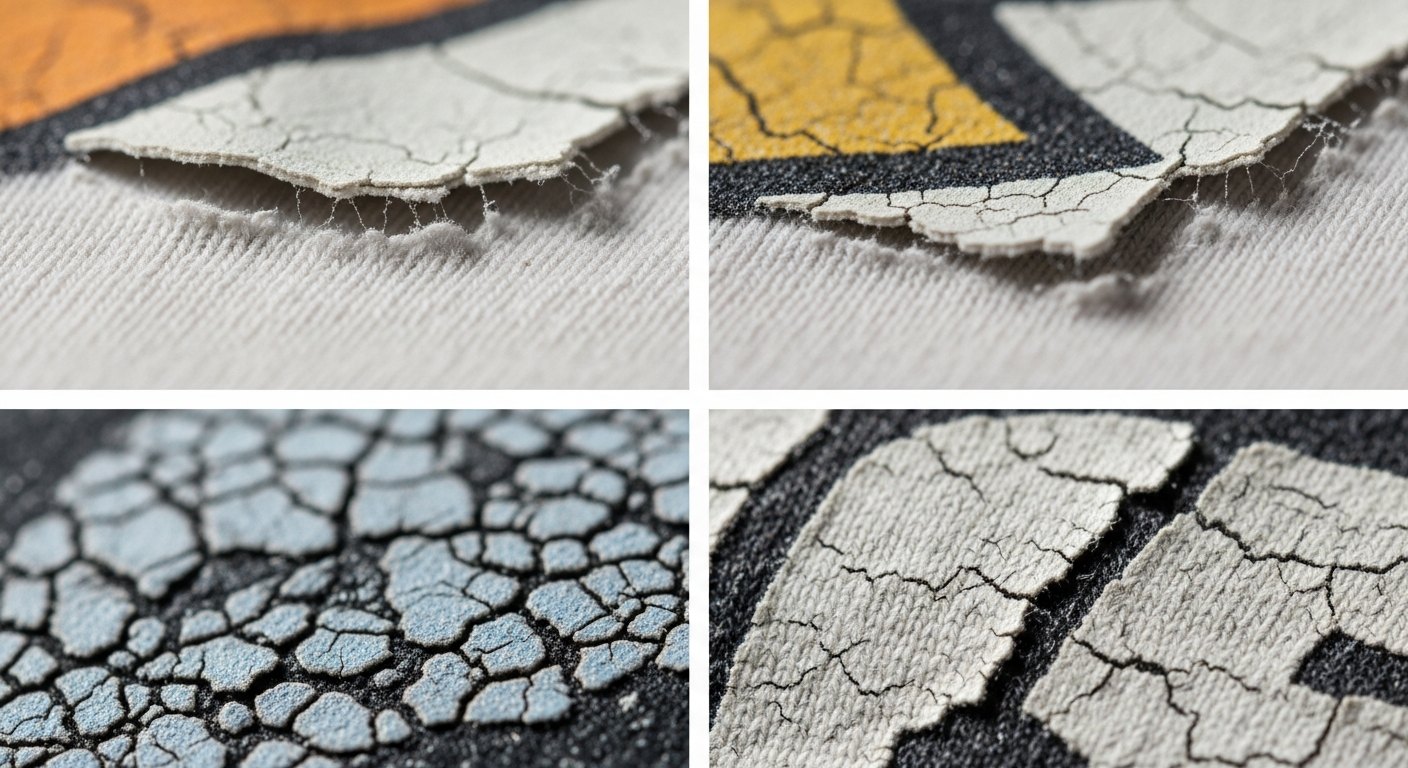
This is where a lot of confusion starts. The peel type itself is not what makes a print last. Durability comes from getting the temperature, time, and pressure right so the adhesive fully bonds into the fabric, plus doing a firm second press if your film calls for one. A cold peel film and a hot peel film, both applied correctly, will both survive the wash. What ruins durability is peeling at the wrong moment for the film you have, or under-pressing so the adhesive never fully sets. So the peel choice is really about finish and workflow speed, not about whether the shirt holds up.
Many films also recommend a final press over the design after peeling, sometimes with a cover sheet, to lock everything in and set the finish. If your film asks for that step, do not skip it. It is a big part of why a properly pressed transfer stays put through repeated washing.
How to choose
You do not really choose in a vacuum. The film you are using is formulated for one or the other, so the first move is always to read what your film specifies. Beyond that, the practical guide is simple.
- Check the film's instructions and follow the peel type it calls for.
- Want a matte finish or working at a relaxed pace? A cold peel film suits you.
- Pressing high volume and want speed and gloss? A hot peel film suits you.
- Do a test press on a scrap garment first so you learn how that specific film releases.
Whichever type you have, the press temperature is roughly in the 300 to 320°F range depending on the film and press, but that is another spec to confirm from your film's instructions rather than assume. Getting the temperature, time, and peel type right together is what produces a print that lasts through the wash.
Common peeling mistakes to avoid
Most peel problems trace back to a handful of habits. Knowing them ahead of time saves a lot of wasted transfers.
- Peeling a cold peel film while it is still warm, which can drag or lift the ink before it has set.
- Peeling too slowly or at a jerky angle, which leaves ragged edges. Pull in one smooth, steady motion.
- Skipping the recommended final press after peeling, which some films need to lock the design and set the finish.
- Guessing the peel type instead of reading the film's instructions, since the same shirt can fail with the wrong approach.
A quick note on our transfers
Every order of our ready-to-press transfers and gang sheets ships with the correct pressing and peel guidance for that film, so you are never guessing. Build your sheet in our builder, and when it arrives, follow the included settings for temperature, time, pressure, and peel. That takes the trial and error out of it.
If you press across a mix of transfers from different sources, keep a small note of which of your films are cold peel and which are hot peel. It is a two-second habit that stops the most common ruined-shirt moment, reaching to peel out of muscle memory when this particular film wanted the opposite. Consistent films and consistent settings are how a shop keeps its reject rate near zero.
The bottom line
Cold peel means cool it down first for a matte, forgiving finish. Hot peel means pull it right away for speed and gloss. Neither is better in the abstract. The right one is whatever your film is made for, so read the instructions, test on a scrap, then run your batch with confidence.
Frequently asked questions
Auto-nesting, low-res warnings before you pay, shipped same-day from Texas.
Open the builder →